" transform="translate(4 4)" width="37px"/></svg>)
Second Closet:
An Experiential Awareness Campaign
In partnership with The Fix
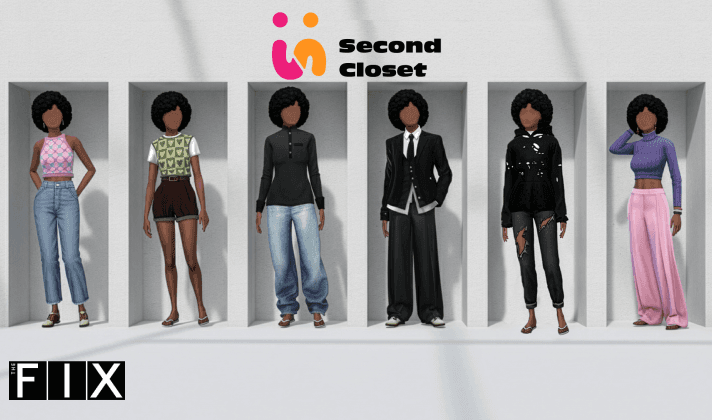
Second Closet
An immersive fashion exhibition and digital campaign raising awareness about intimate partner violence in queer relationships.
Overview
Problem: Despite constitutional protection in South Africa, intimate partner violence (IPV) in queer relationships remains underreported, especially among Black Lesbian Womxn.
Role: UX/UI Designer & Story Architect
Duration: 6 weeks
Team: 4 multidisciplinary designers
Deliverables: Retail exhibition mock up, microsite, social media campaign
Research
context
Despite constitutional protection in South Africa, intimate partner violence (IPV) in queer relationships remains underreported — especially among Black lesbian women.
core problem
Many victims face a “second closet”:
First, coming out as queer.
Second, hiding abuse due to stigma, disbelief, and systemic discrimination.
How might we educate young South Africans about the “Second Closet” and encourage supportive third-party responses?
Project Goals:
Raise awareness of IPV in queer communities through storytelling and design.
Create an immersive experience that educates the public and engages The Fix’s Gen Z audience.
Encourage empathy, allyship, and proactive third-party support.
Design Challenge
How might we educate young South Africans about the “Second Closet” and encourage supportive third-party responses?
While finding a South African brand to help expand on this message.
Research
Research Methods
Secondary research (academic papers on IPV + intersectionality)
10 anonymous interviews
Cultural analysis of social discourse
Brand alignment study with The Fix
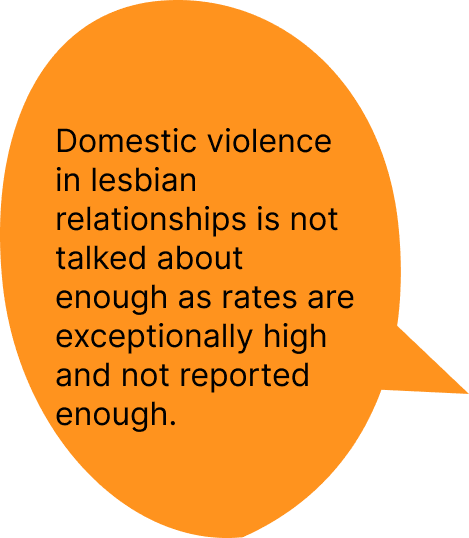
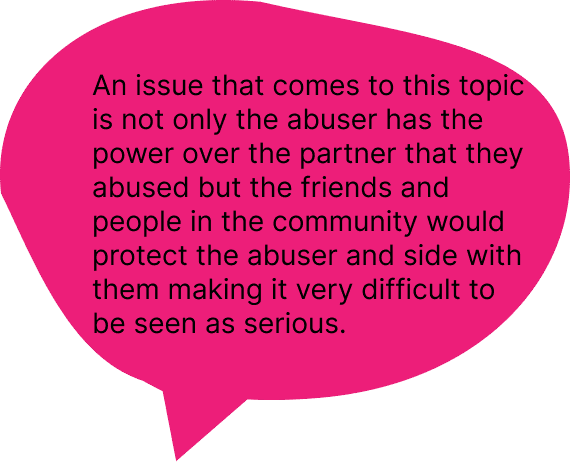
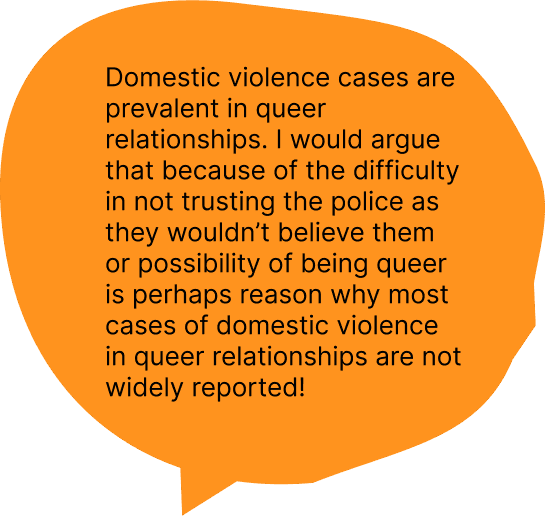
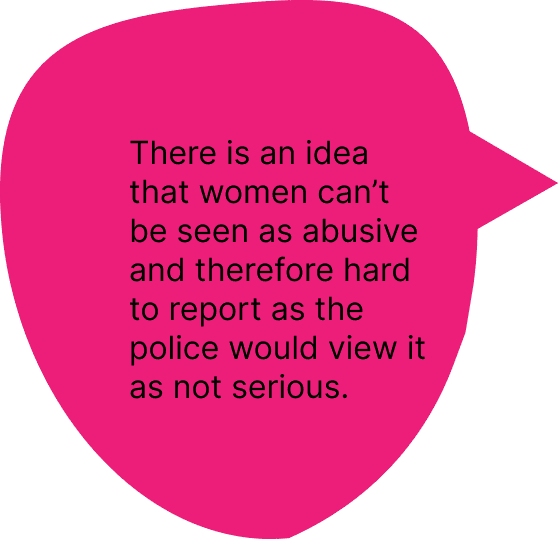
anonymous responses
Different points mentioned from the anonymous interview we had with people about the topic of Intimate Partner Violence for queer relationship specifically on lesbian relationship.
Key insight

Third Party response is critical

Abuse in queer relationships is minimised
Underreporting is driven by fear or disbelief
Human truth
People only speak up when they feel safe enough to be believed.
Ideation
Ideas that we came up with:
Awareness posters
Podcast idea
Influencer collaboration
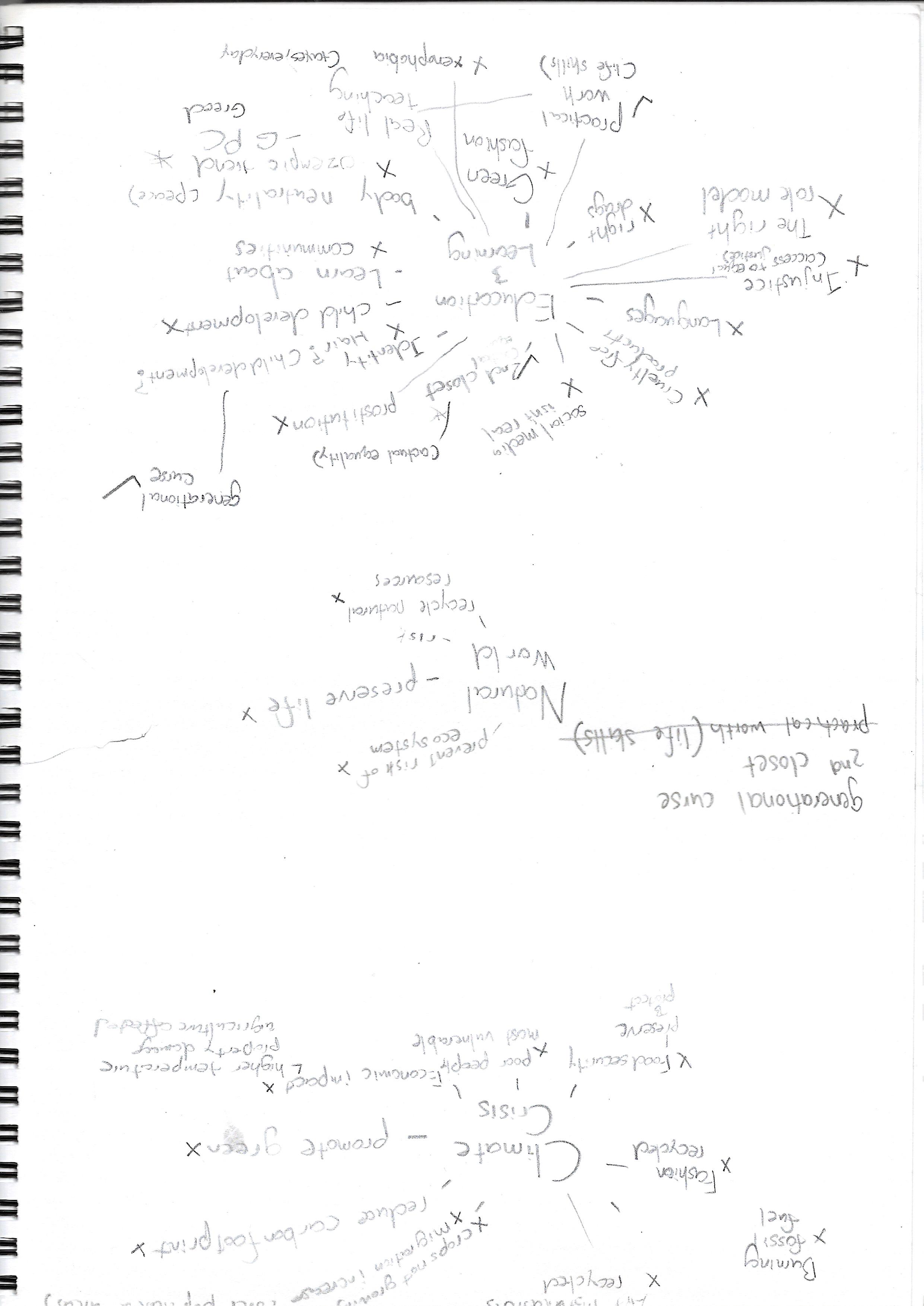
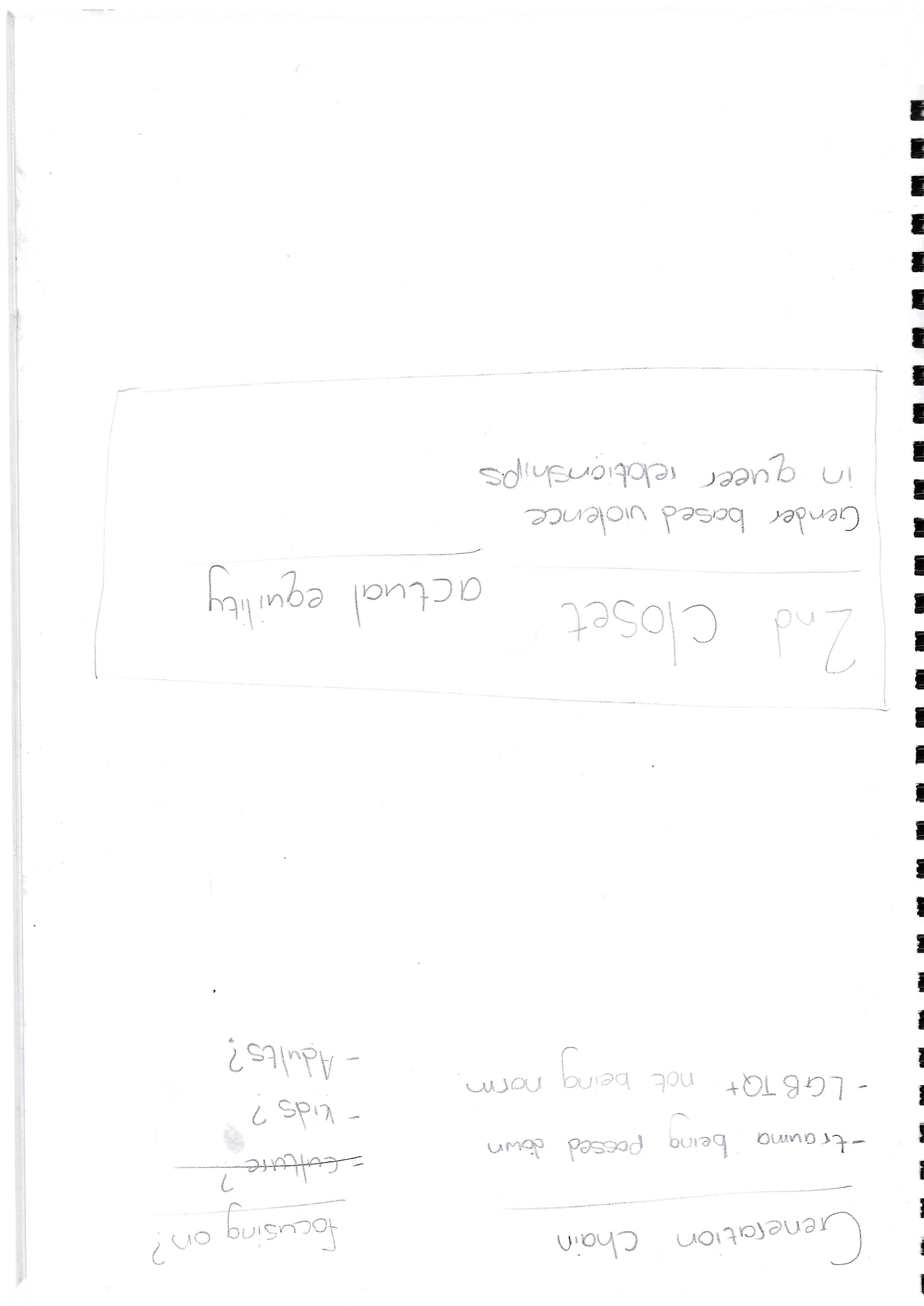
Exhibition concept (chosen)
Original the brief was to talk about these topics
Why was this one chosen?
Physical immersion increases emotional retention
Fashion aligns with brand
Clothing becomes narrative medium
Target Audience
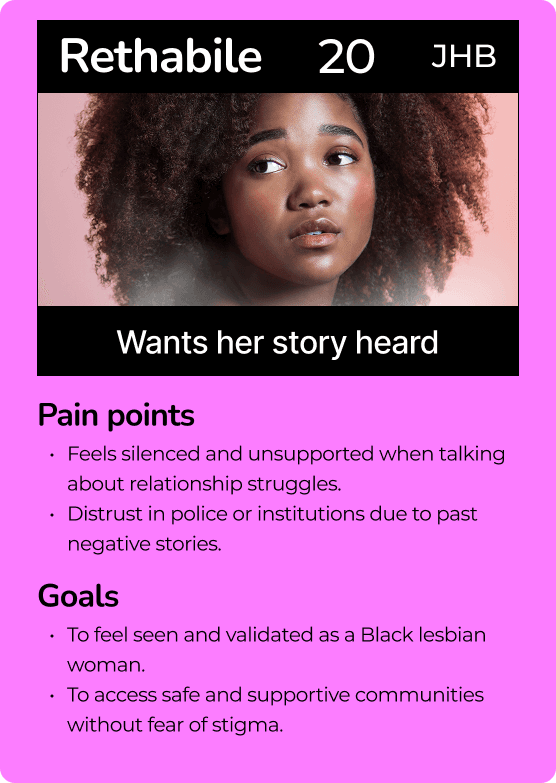
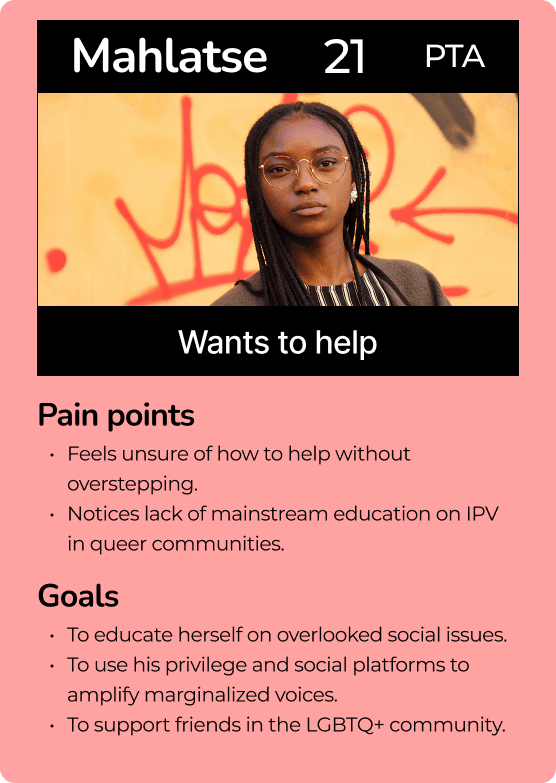
Gen Z (15–25), socially conscious, digitally native.
Members of LGBTQ+ communities and allies.
The Fix’s existing customer base (fashion-forward, socially aware).
Primary target audience: for the Black Queer Women who are impacted by these circumstances
Secondary target audience: Peers, Bystanders and retailers of the Fix. They represent the Third Responses that need to be talked about.
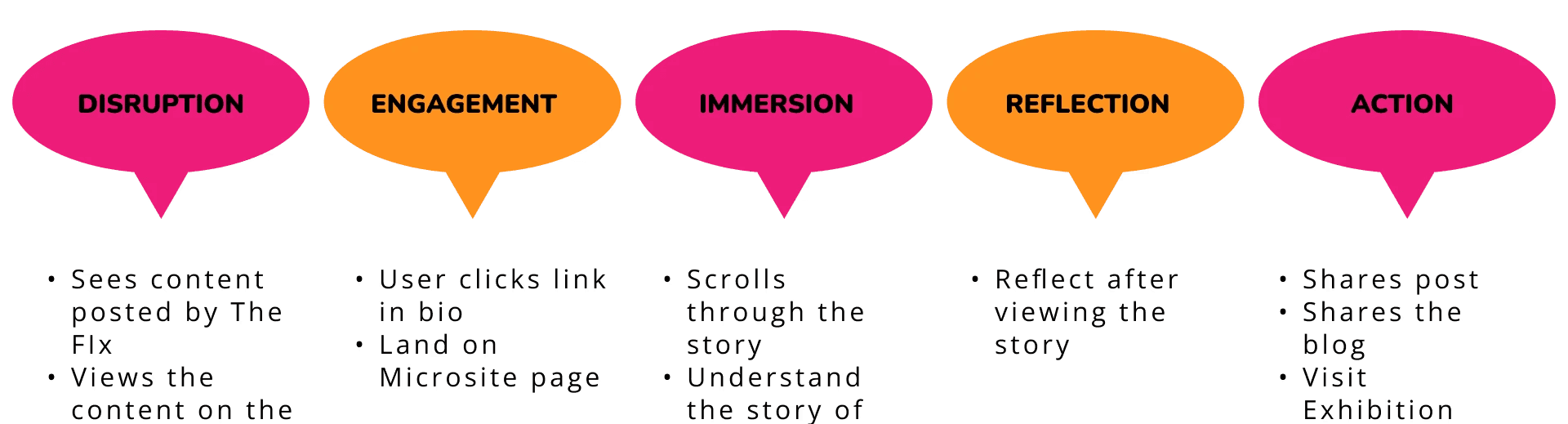
Experience Journey
Wireframed interactive components and tested clickable prototypes which allowed users to explore, preview, and engage with projects in unexpected ways.
Narrative Strategy
Why a fictional character?
Protect real victims
Maintain psychological safety
Create emotional relatability
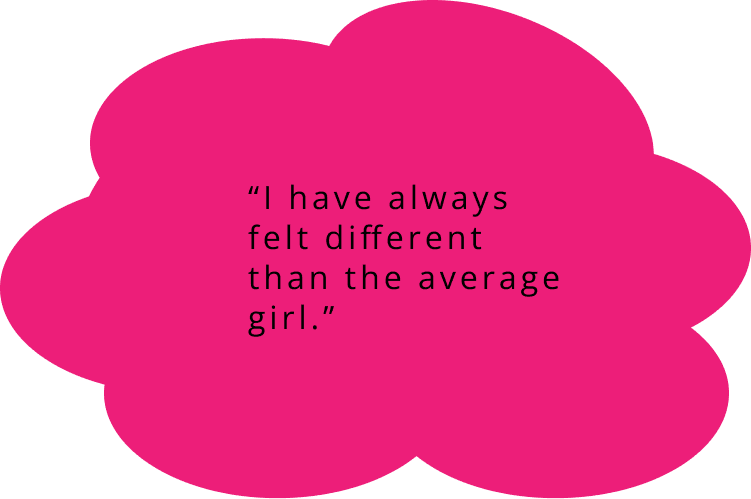
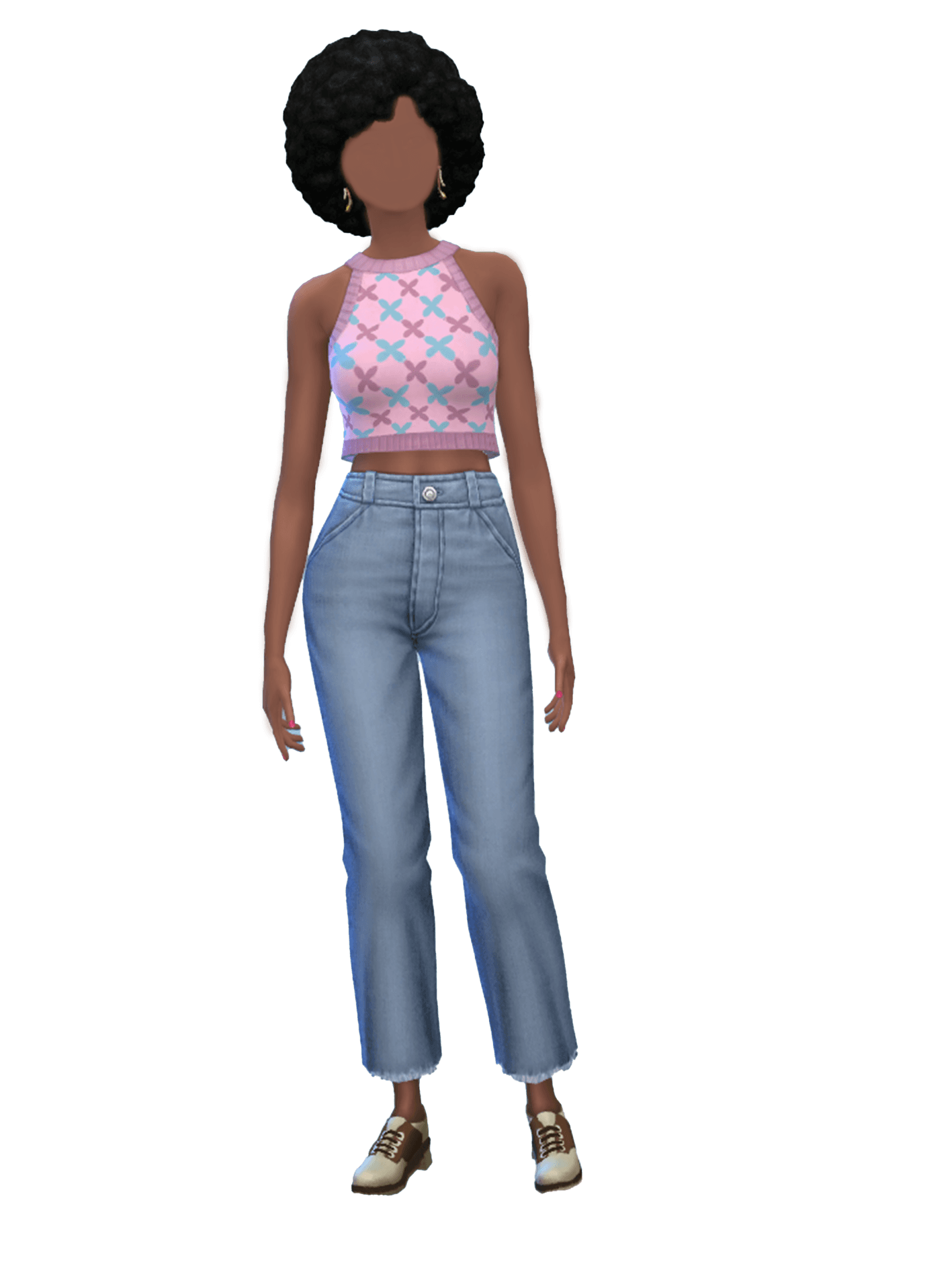
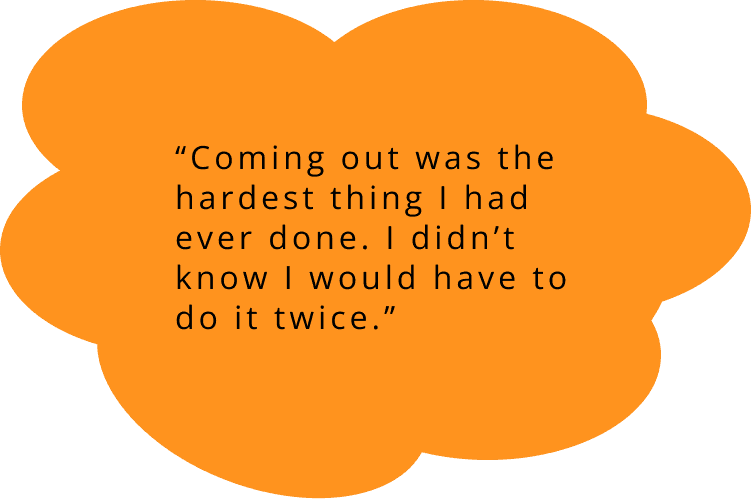
The story of Reabetswe acts as a proxy voice.
Meet Reabetswe
The face of the Second Closet.
Reabetswe represents the many Black lesbian women whose experiences with intimate partner violence remain hidden behind stigma, silence, and disbelief.
Design Process for Microsite
Goals
Emotional reading experience
Mobile-first
Accessibility
Clear resource pathways
Design Decisions
Dark-to-light color transition mirroring emotional arc
Scroll-triggered storytelling
Minimal navigation to reduce cognitive load
Clear “Get Help” CTA
Utilized clean typography, smooth scroll animations, and layer depth to create immersion, always prioritizing clarity and ease of use. Crafted hover and click interactions to make each project feel physical and alive.
before
after
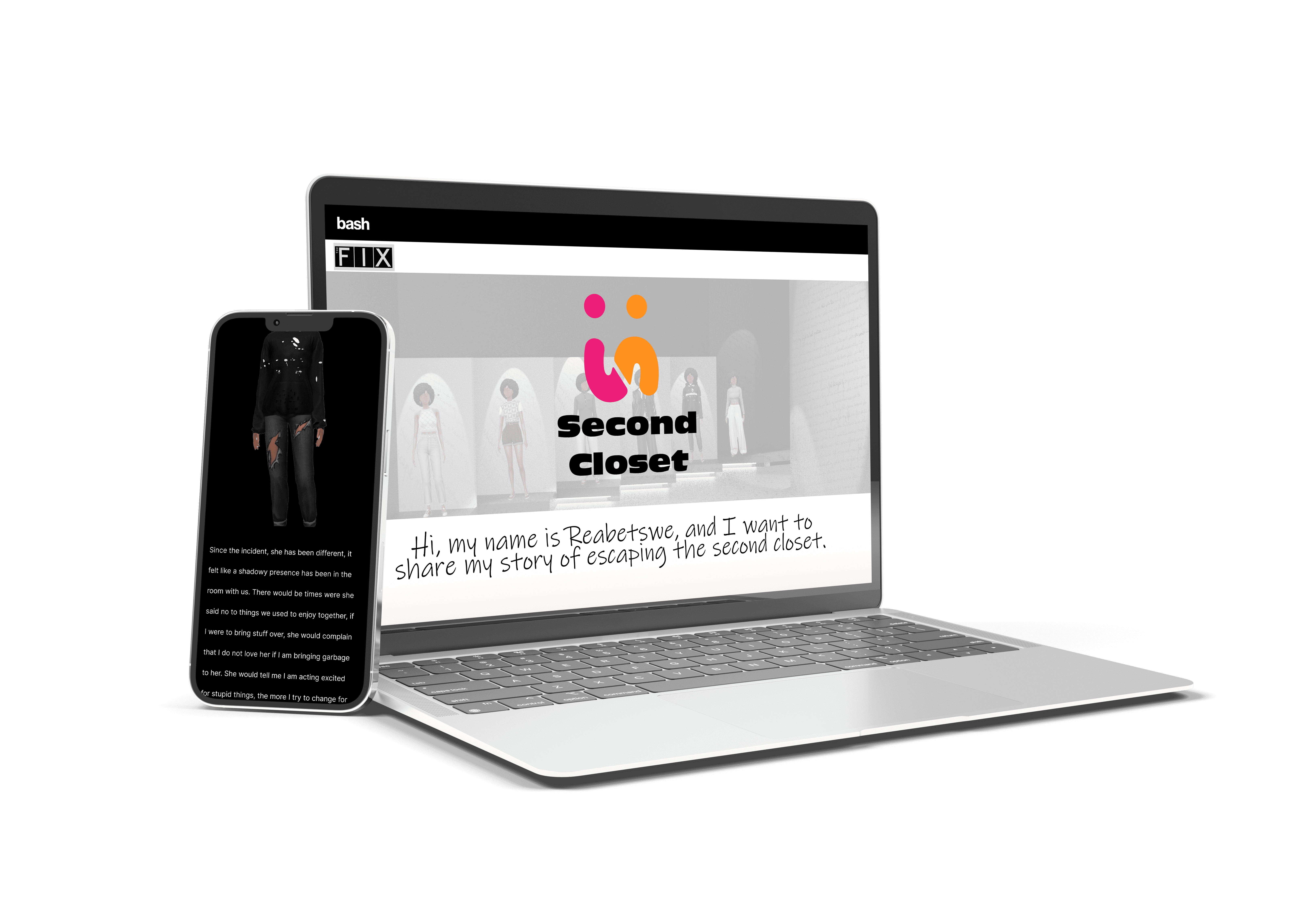
The first microsite we made it more of a promotional website that would make people aware of it and view the clothing and find organisations that can help this issue
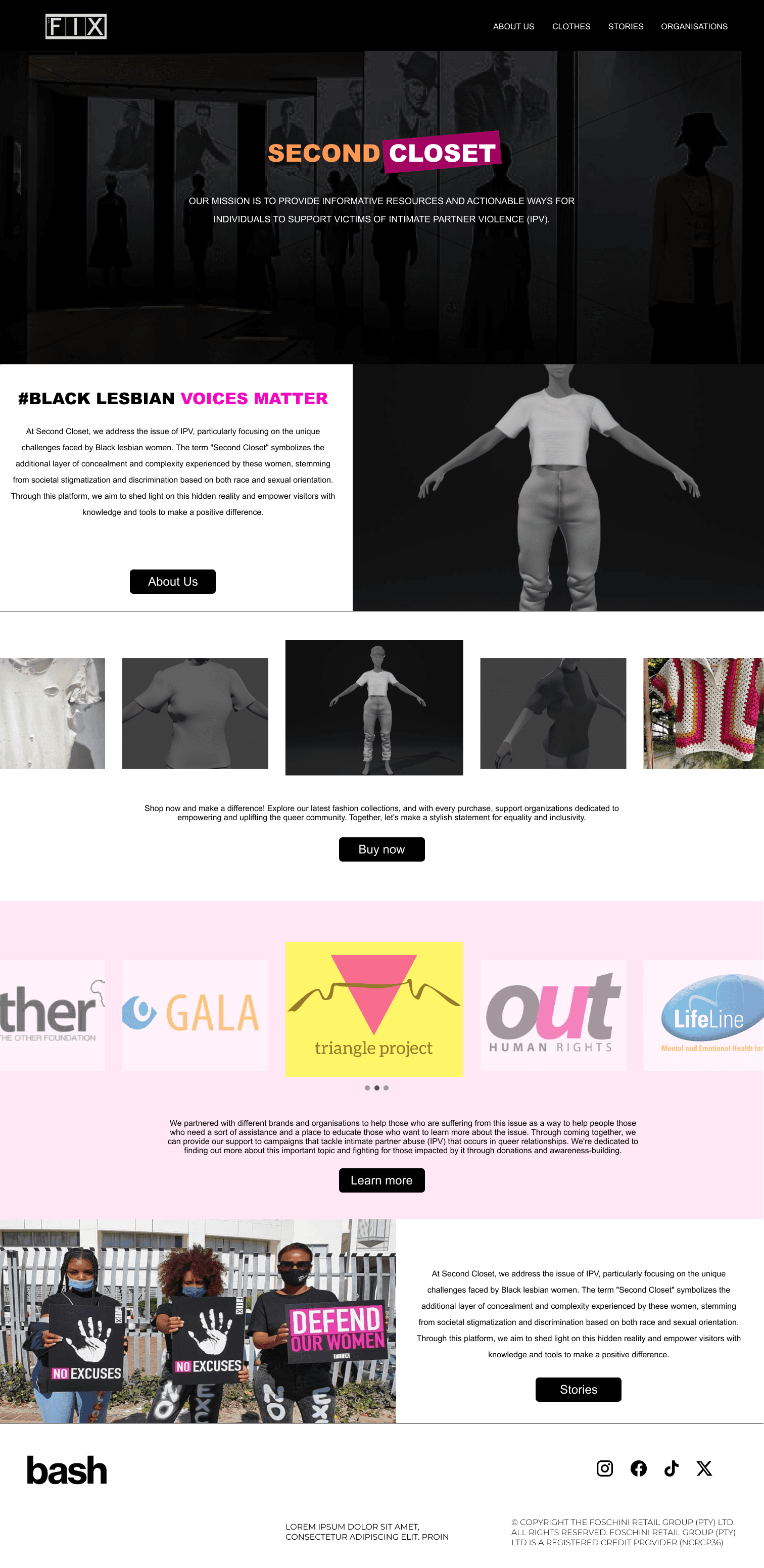
After some feedback to make it more engaging but in a story sense. We implemented the story of Reabetswe this way people can understand the impact it has on the victims and share the story to others.

Final Solution
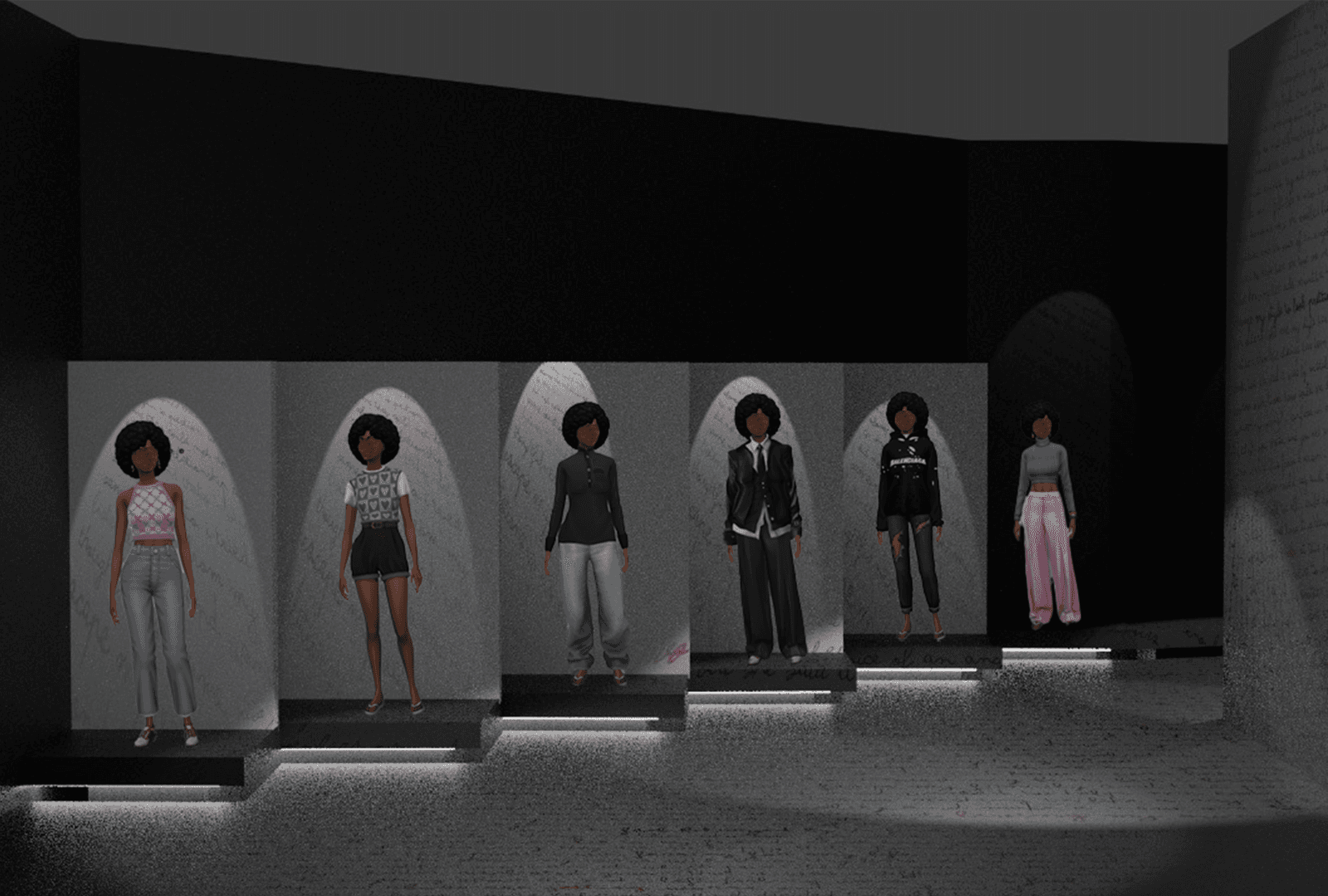
The Fix Store Exhibition: Mannequins dressed in clothing symbolizing phases of IPV, spotlight storytelling, immersive journey.
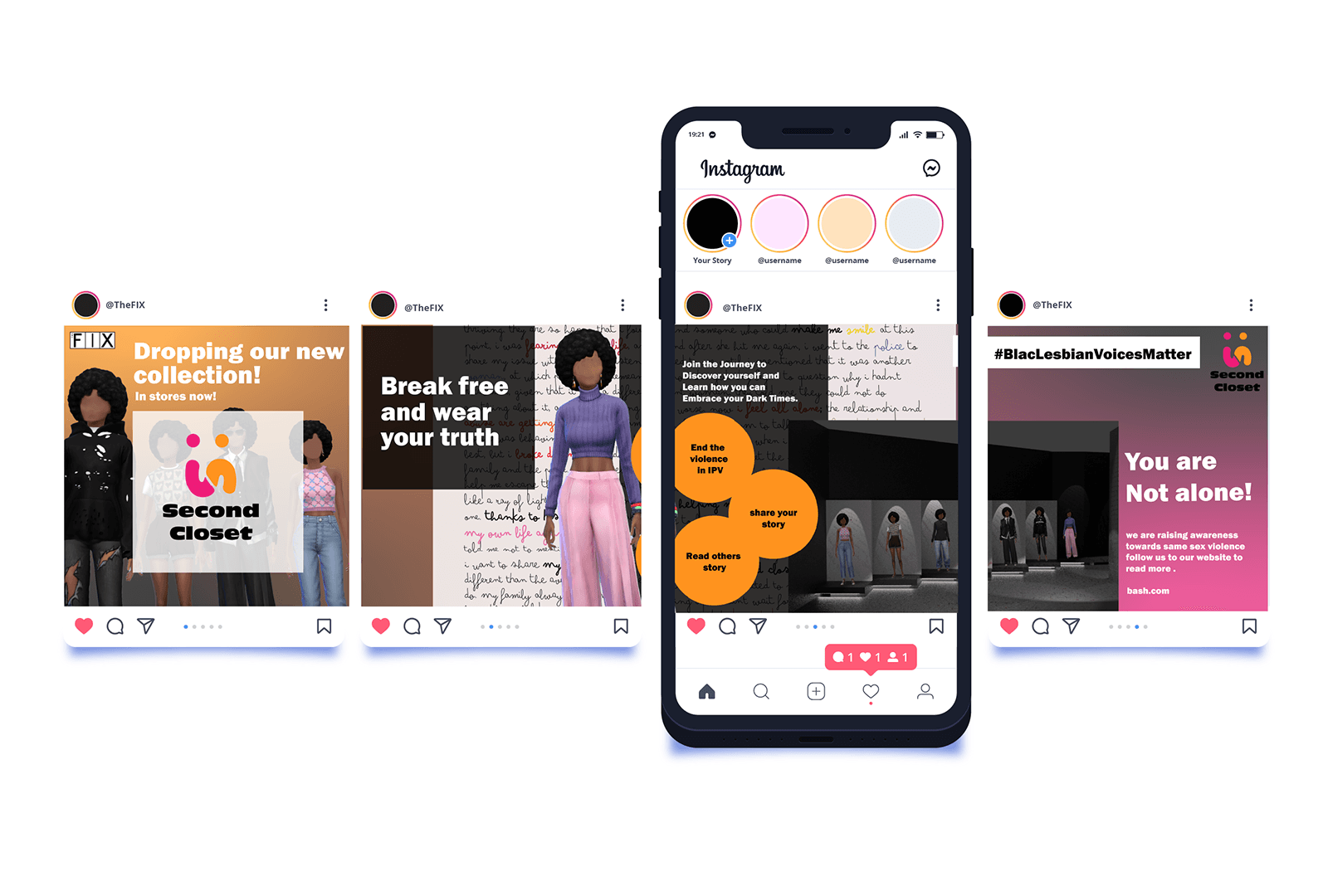
Social Media Campaign: Instagram carousel + teaser posts driving to microsite.
Microsite Blog: Full story of Reabetswe, interactive clothing visuals, links to support services.
How It Solves the Problem: By transforming fashion into a storytelling medium, the campaign educates, validates, and amplifies silenced experiences, making IPV in queer communities visible and undeniable.
Final Outcome
Increased awareness among Gen Z audience
Encouraged discussions around queer IPV
Created scalable campaign model for retail brands
Project has been praised for its memorable design, storytelling, and ease of navigation, resulting in increased engagement and interview invitations.
My Contribution
I Led:
Narrative concept
Microsite UX structure
Story scripting
Exhibition journey logic
I Contributed To:
Clothing concept
Brand alignment
Strategy