" transform="translate(4 4)" width="37px"/></svg>)
Domus
Transforming Morning Routines with Ambient Automation
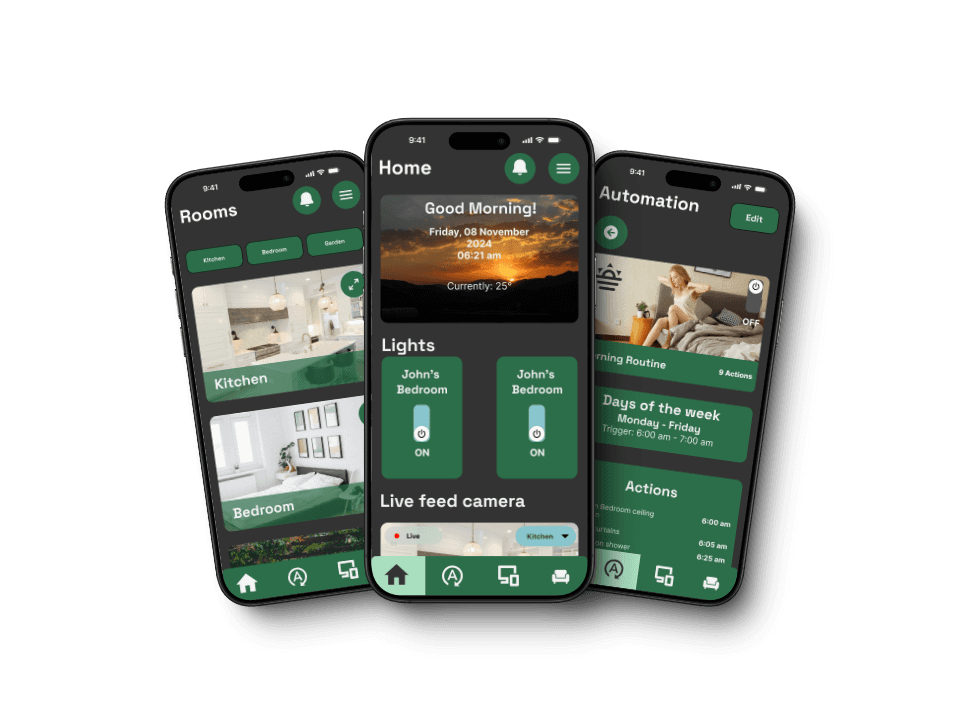
Domus
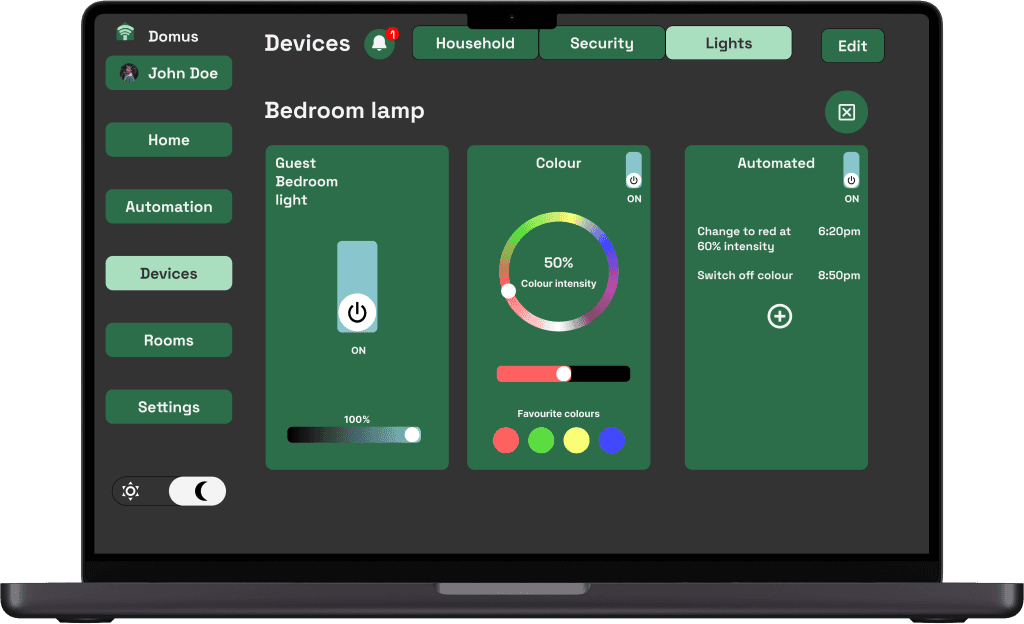
A smart home app that streamlines morning routines through seamless automation, personalized task management, and adaptive lighting. Created to support laptop, tablets and phones. Providing accessibility to all.
Overview
Designing an adaptive smart home ecosystem that transforms rushed mornings into calm, automated rituals.
Role: UX Researcher UI Designer
Duration: 8 weeks
Tools: Figma, FigJam, Survey Research
Type: Concept / Speculative Smart Home UX
Research
context
Modern homeowners experience rushed, fragmented mornings caused by manual home adjustments, decision fatigue, and task overload.
Existing smart home systems automate devices — but they don’t orchestrate experiences.
Business Opportunity
Smart home adoption is rising in the market but emotional experience design is missing.
core problem
Modern homeowners experience rushed, fragmented mornings caused by manual home adjustments, decision fatigue, and task overload.
Existing smart home systems automate devices — but they don’t orchestrate experiences.
Users struggle with inefficient morning routines (e.g., manual tasks, stress, forgetfulness).
"How might ambient design reduce morning stress and save time through smart automation?"
Project Goals:
Save time with automated tasks (lighting, kitchen prep, reminders).
Personalise routines based on user preferences.
Enhance well-being through calming, sensory-driven interactions (light/sound).
user problem
Decision fatigue (what to wear, what to cook)
Manual control overload
Forgotten tasks
Sensory stress
Research
Research Methods
14 online survey
Secondary research on smart home trends
Journey mapping of personal routine
6 usability testing
3 moderated testing
3 unmoderated testing
Enviornmental spatial mapping
I spatially mapped morning touchpoints to understand friction across physical environments as well how many steps it takes to go through the morning routine.
Interaction points for my
daily routine
for attending class.
This would help with
planning how spatial
awareness can make
an impact in a house
in a day to day case.
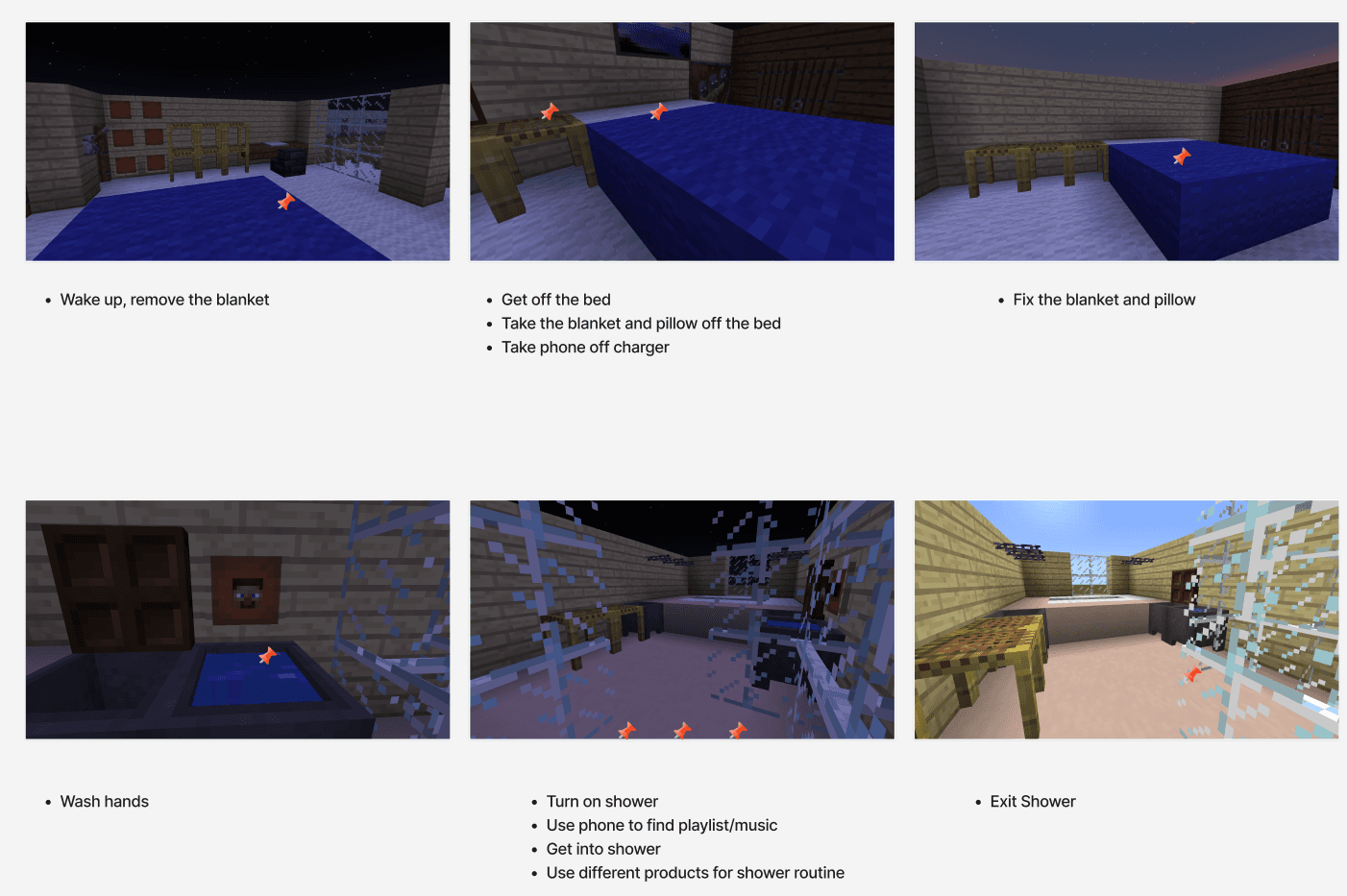
Some points noticed
such as automation for
certain rooms for examples
music for the bathroom
for shower session
Key insight
Morning stress is caused by cognitive overload, not physical effort.
People want automation that feels supportive, not intrusive.
Reminder systems are more valued than device control.
Personalisation drives perceived control and calm.
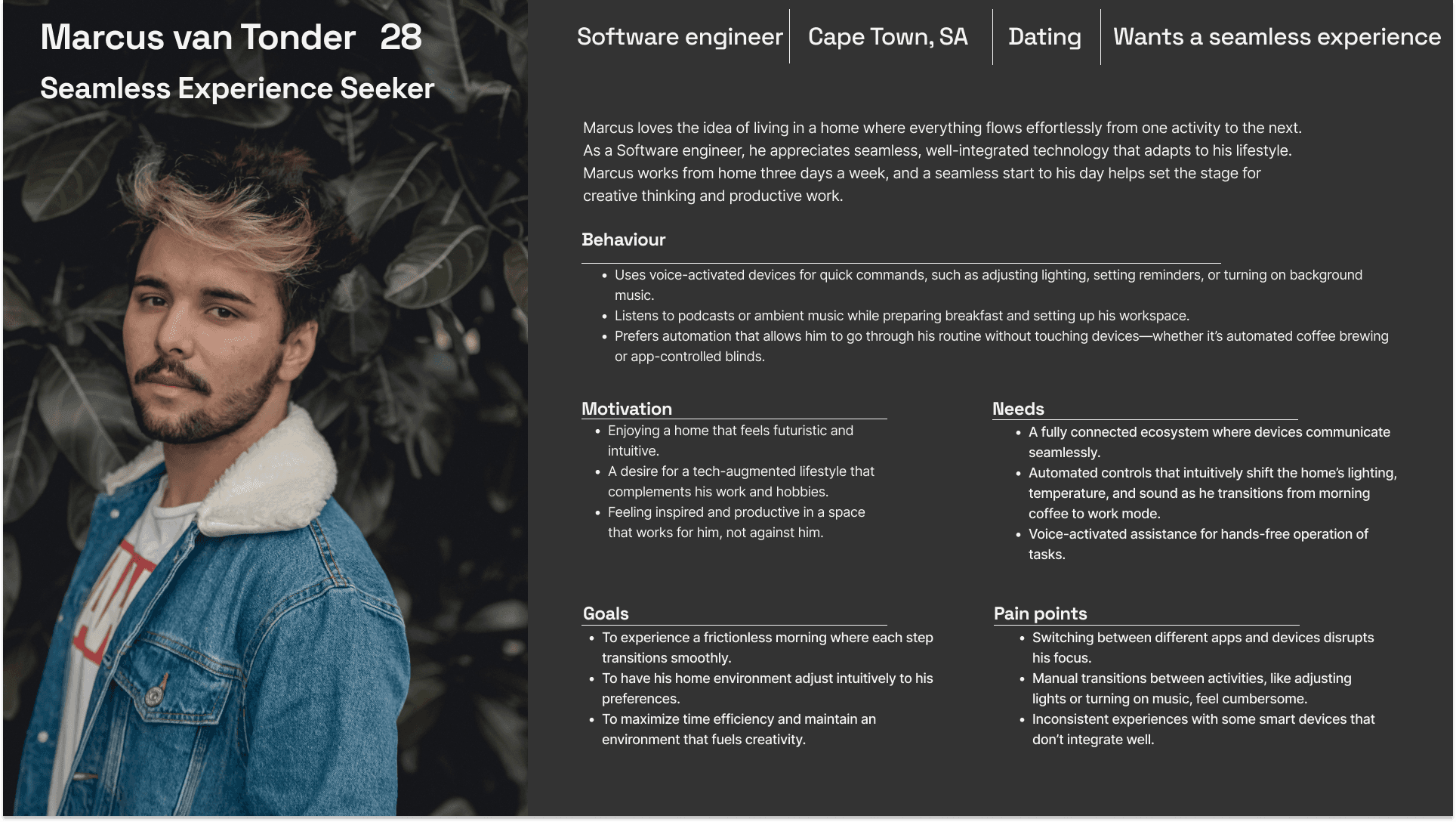
Target Audience
Gen Z (15–25), socially conscious, digitally native.
Members of LGBTQ+ communities and allies.
The Fix’s existing customer base (fashion-forward, socially aware).
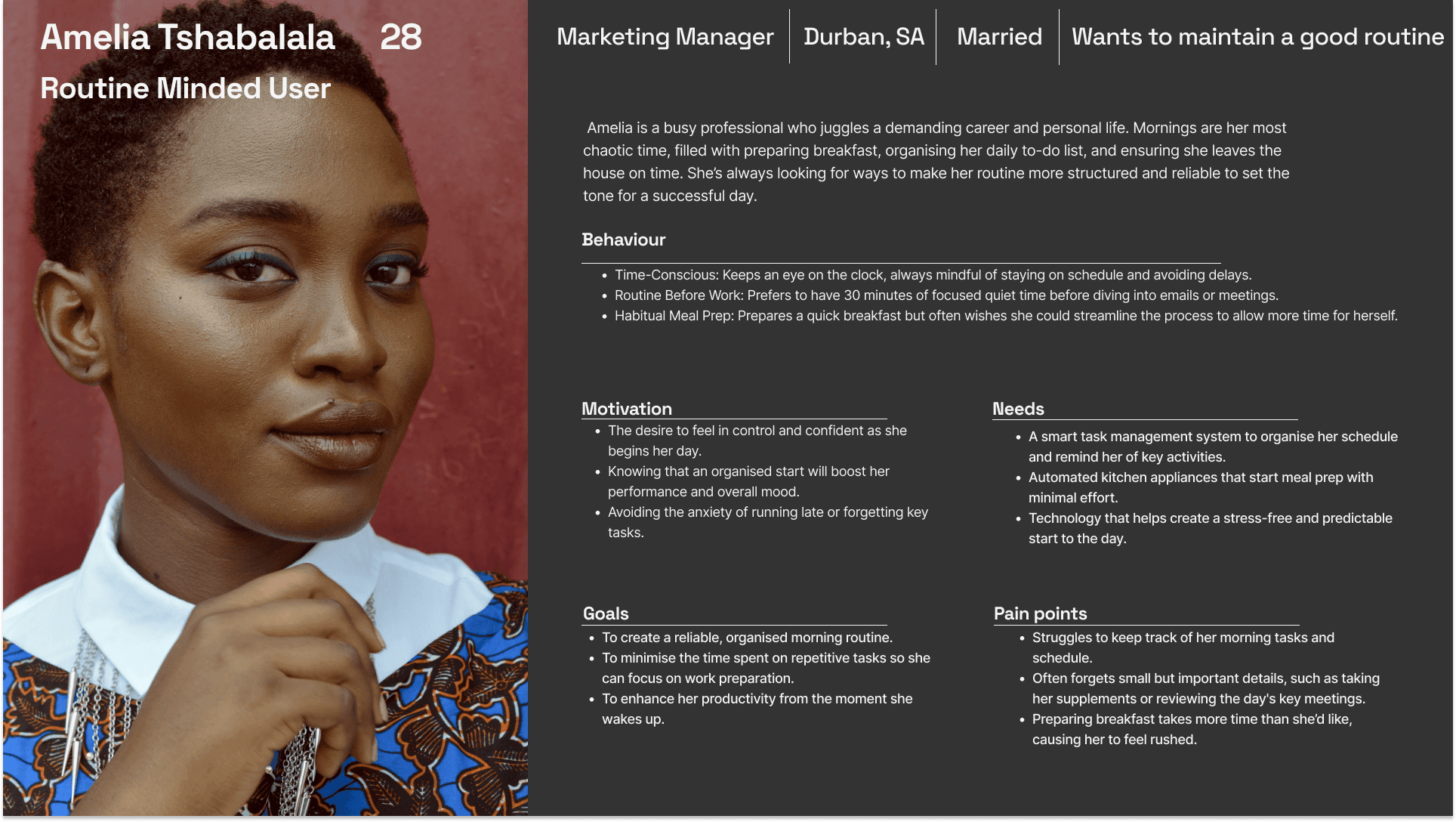
Opportunity
How might we design a smart home experience that reduces cognitive load and chore friction while enhancing emotional calm?
Ideation
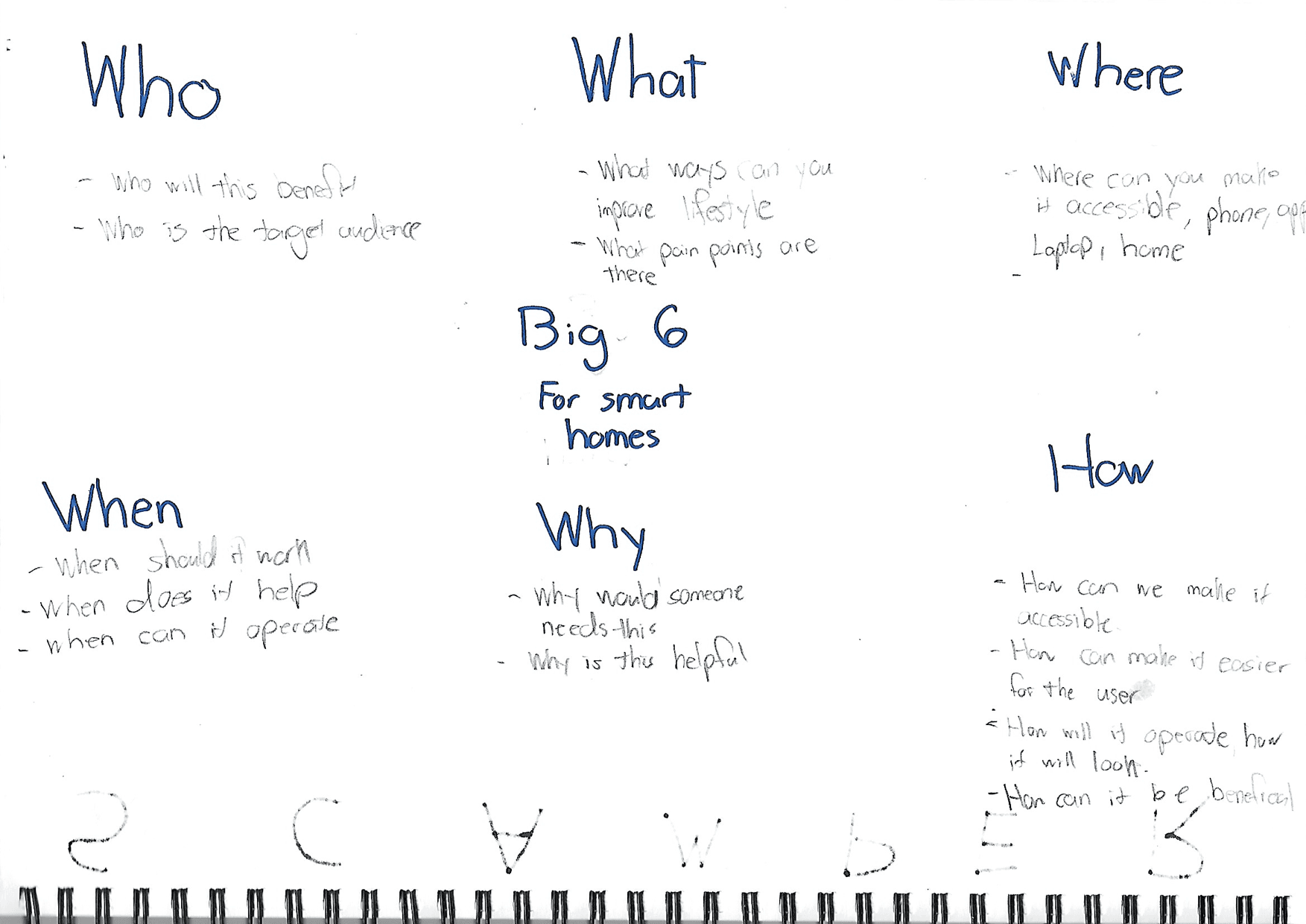
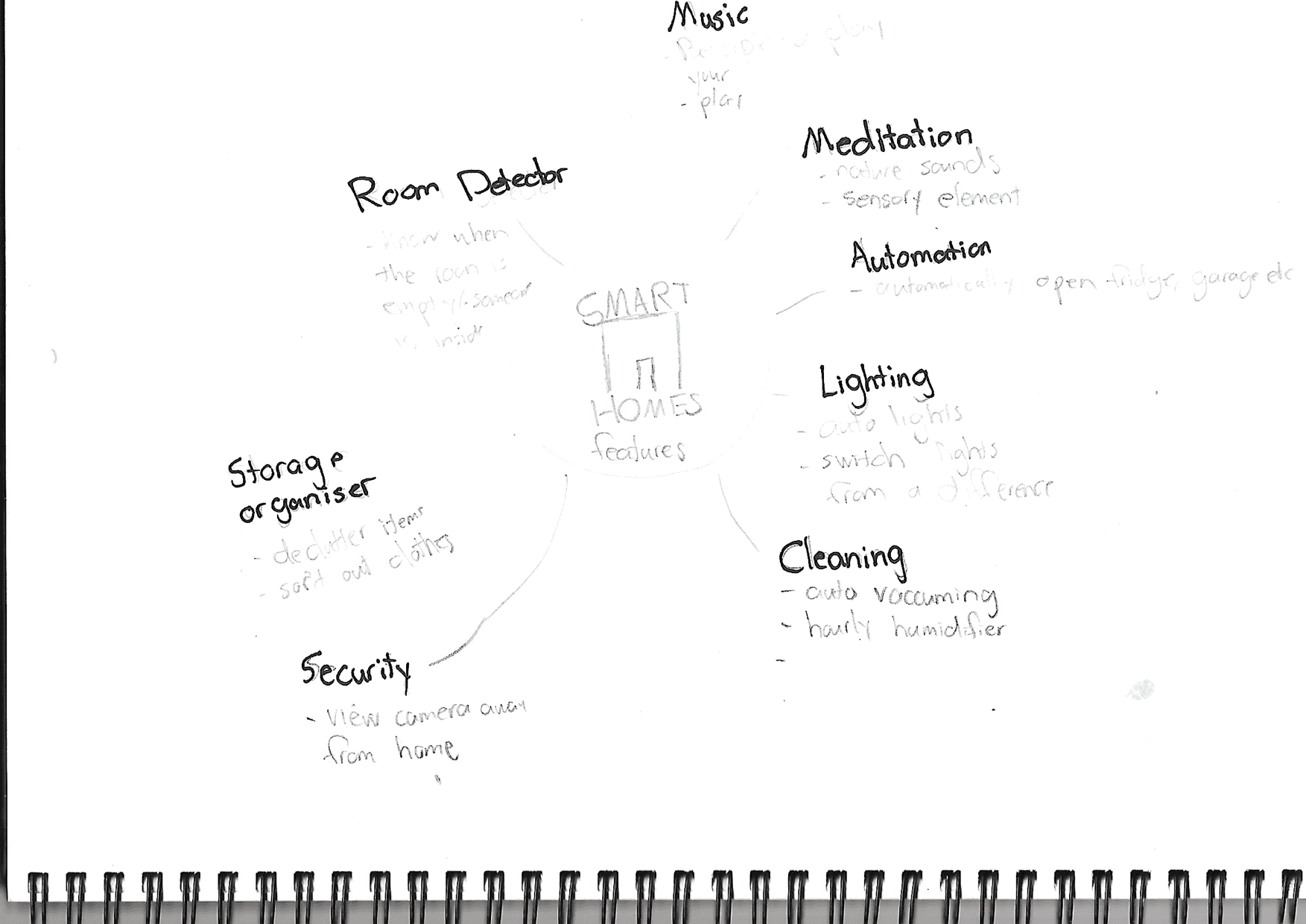
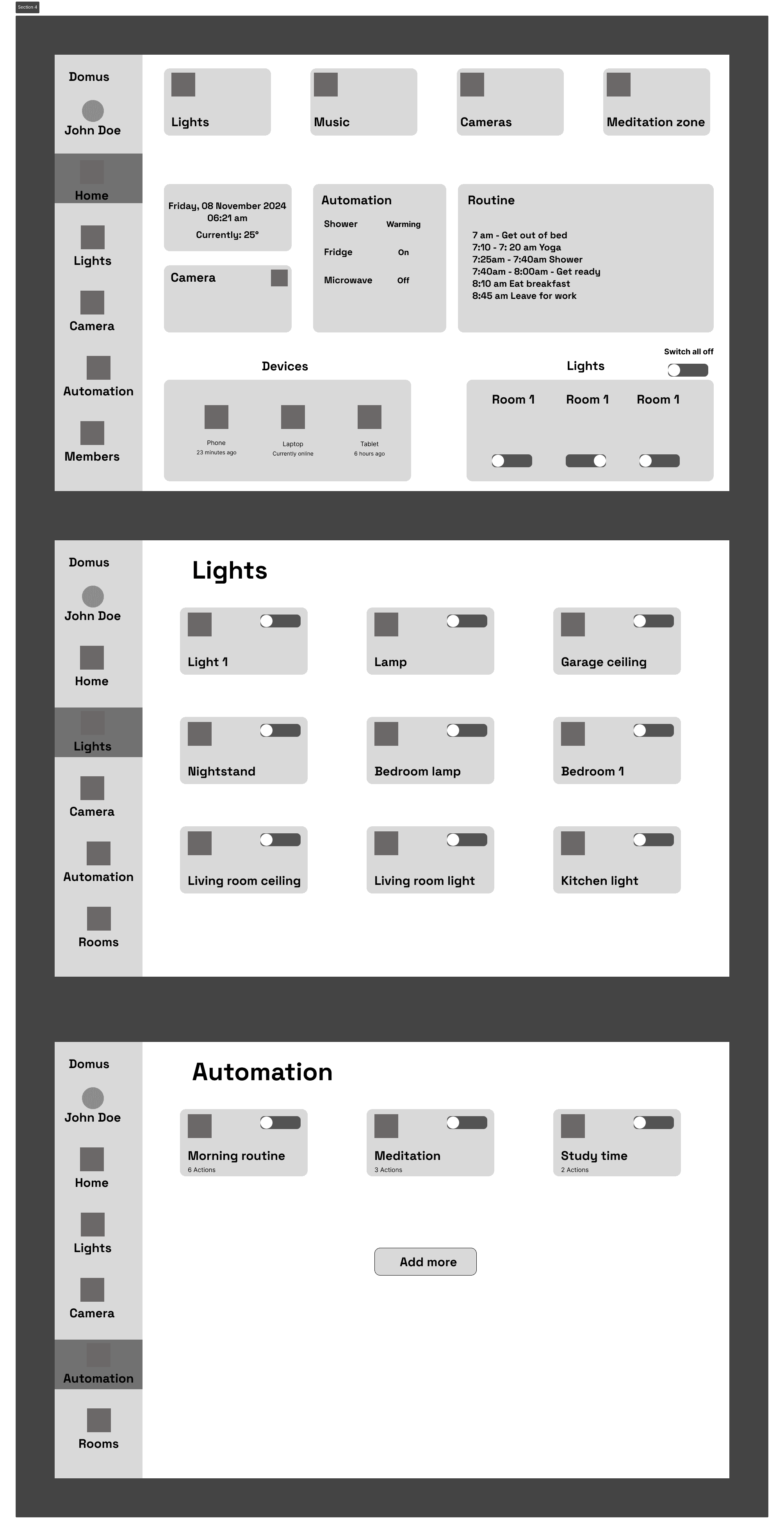
Ideation of how the application will operation and the types of features that would be needed in it based on feedback from the survey
Concept Direction
Big Idea
Domus – Your Morning, Orchestrated
Predictive Automation
Devices respond based on routine patterns.
Centralised Morning Dashboard
Schedule, weather, reminders, automation in one view.
Sensory Ambience Control
Lighting, sound and climate working together.
Information Architecture
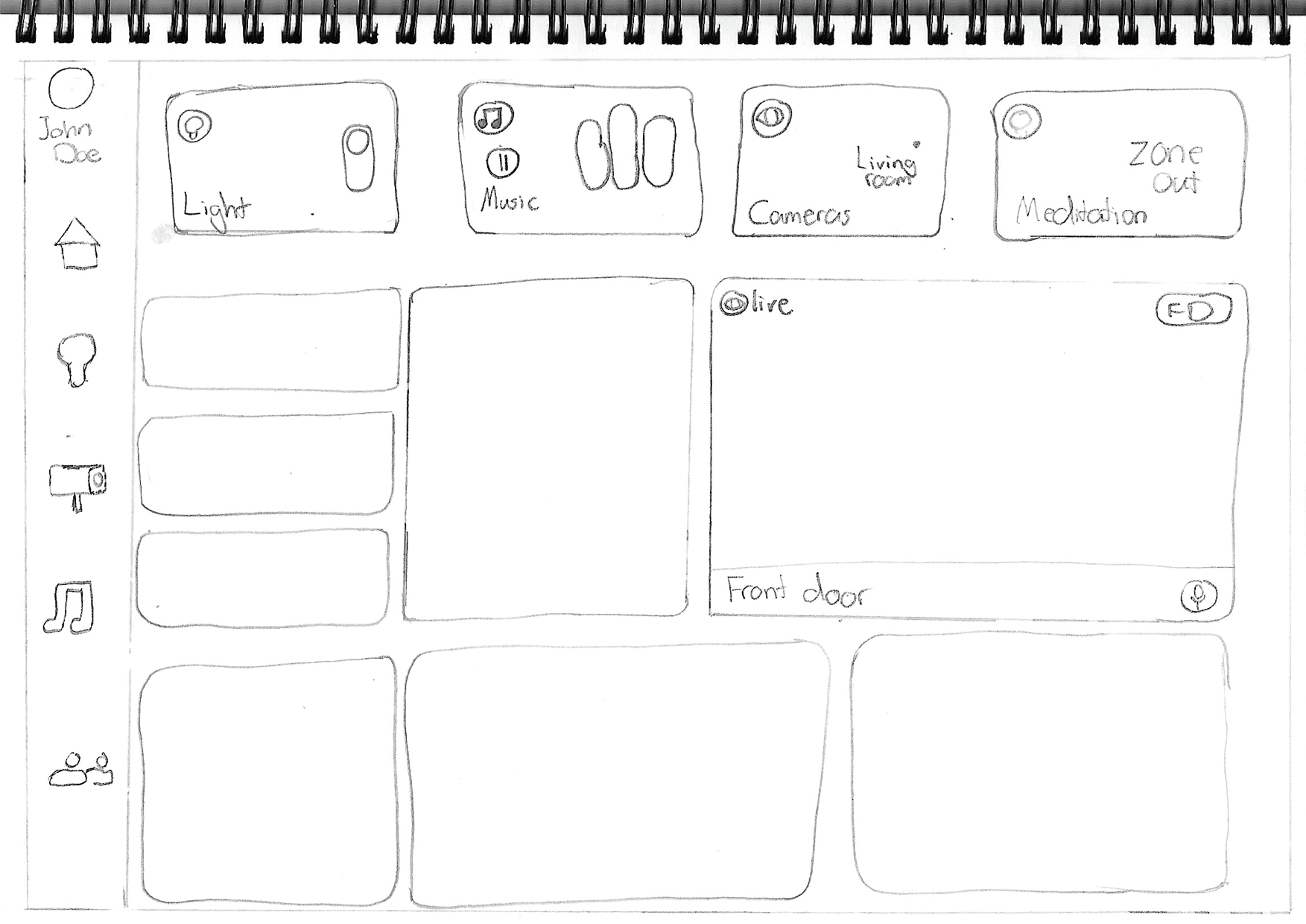
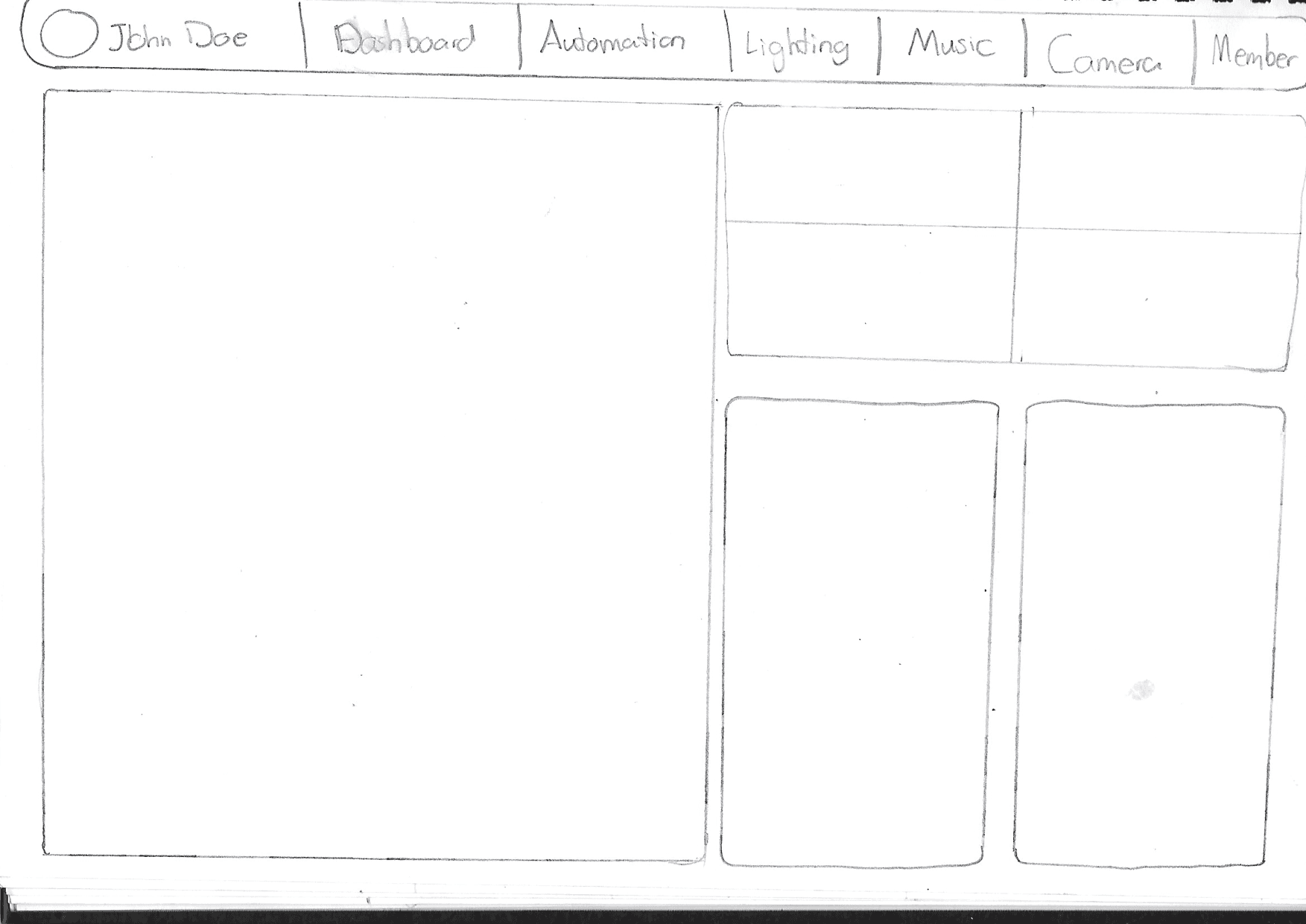
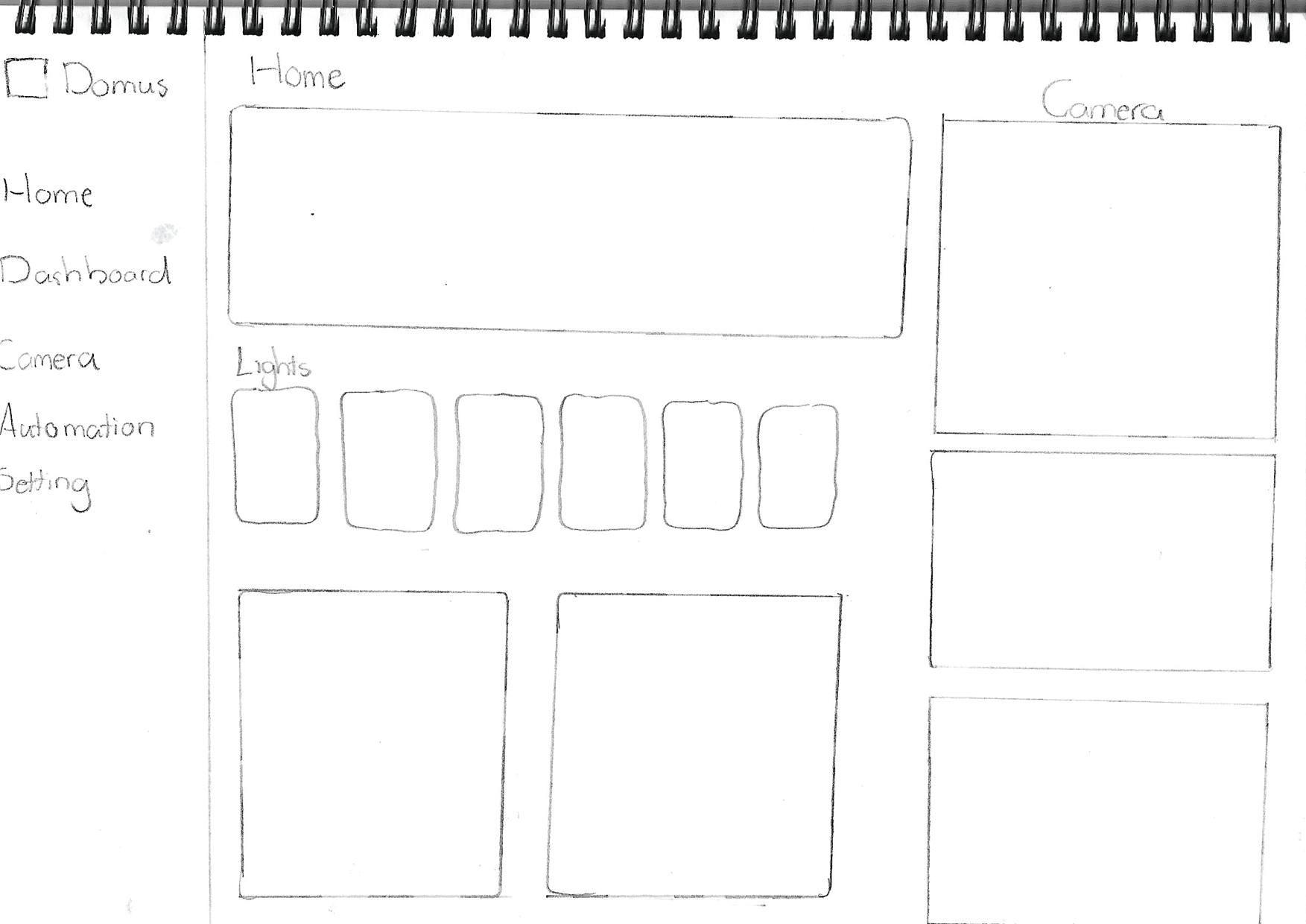
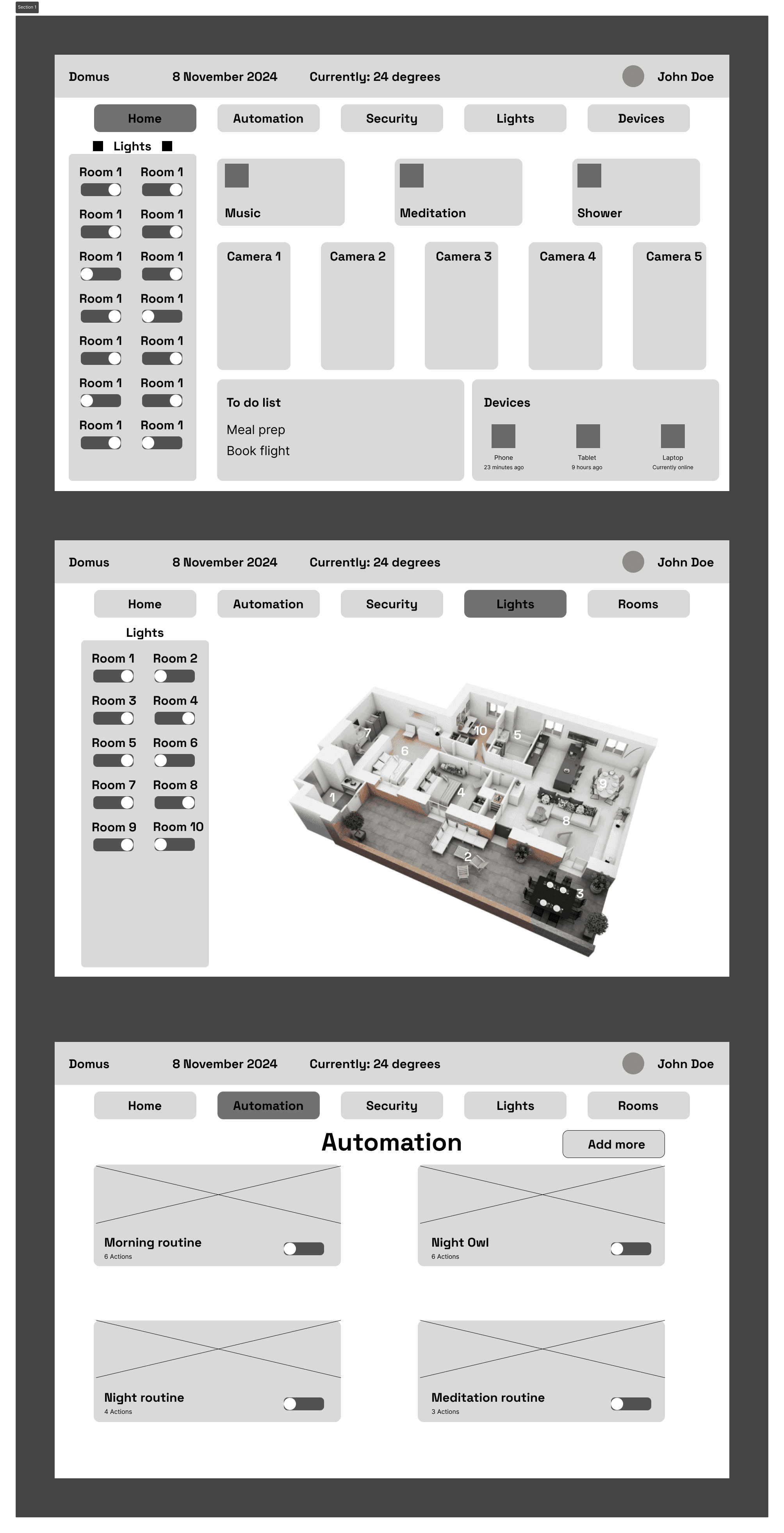
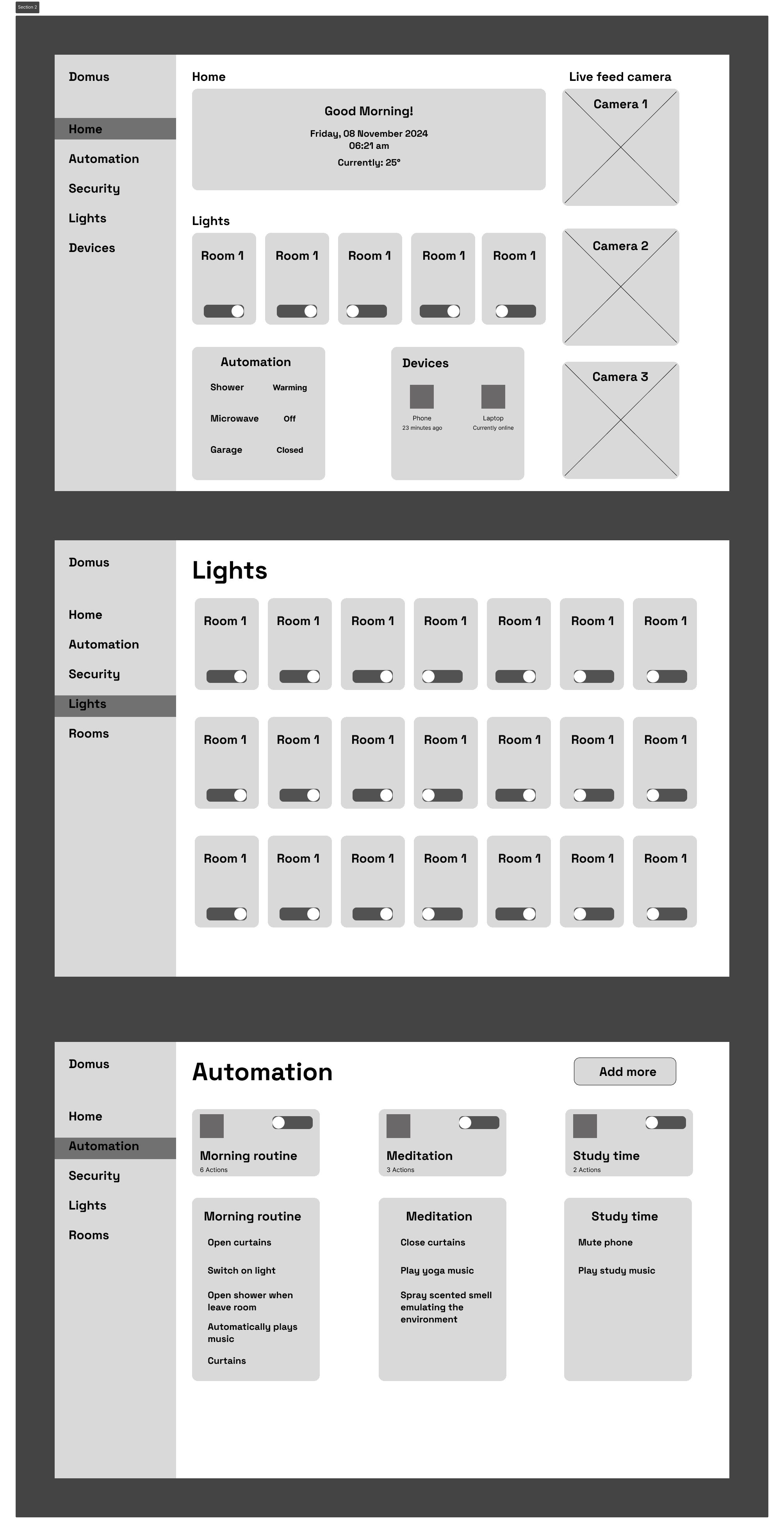
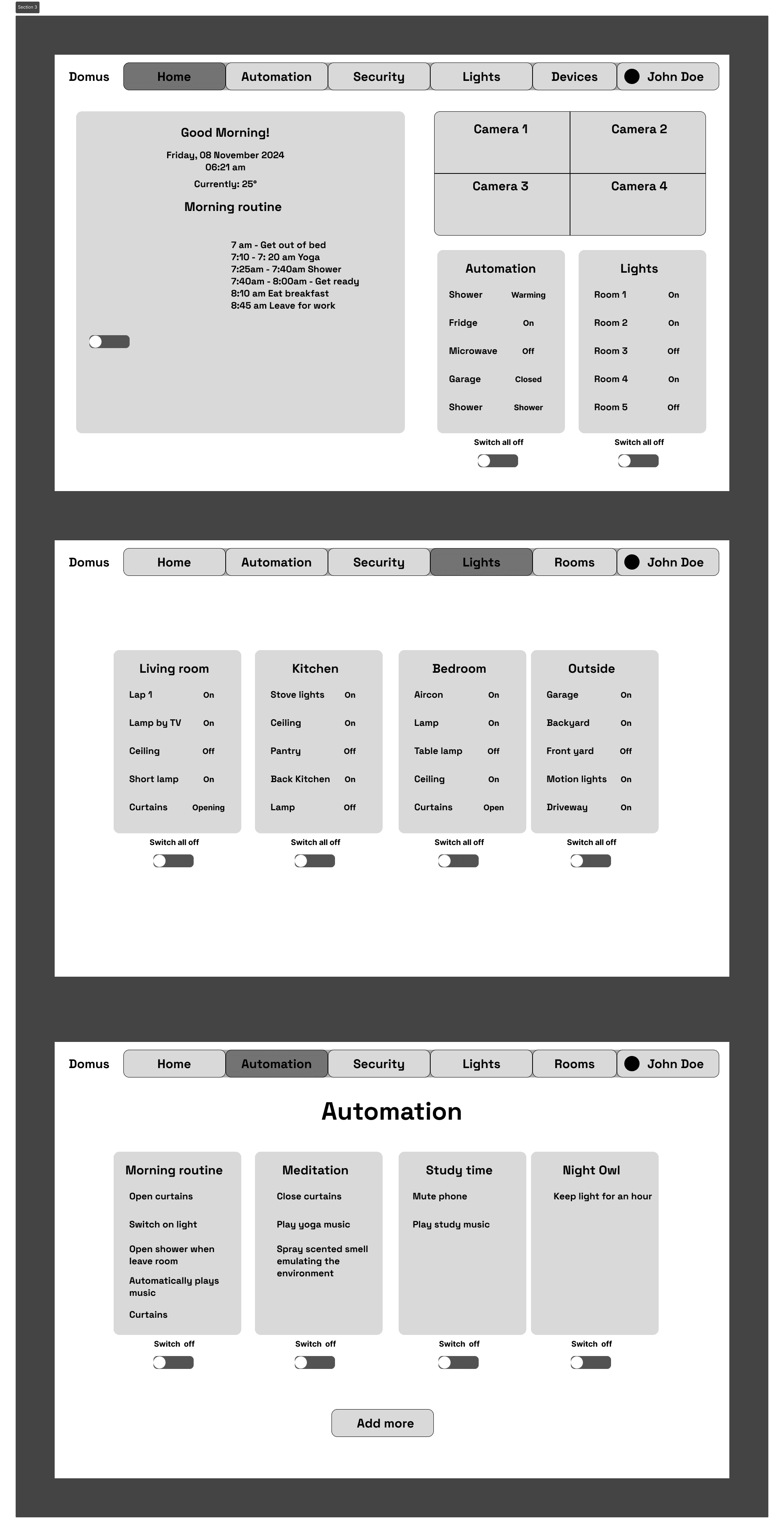
Wireframed interactive components and tested clickable prototypes which allowed users to explore, preview, and engage with projects in unexpected ways.
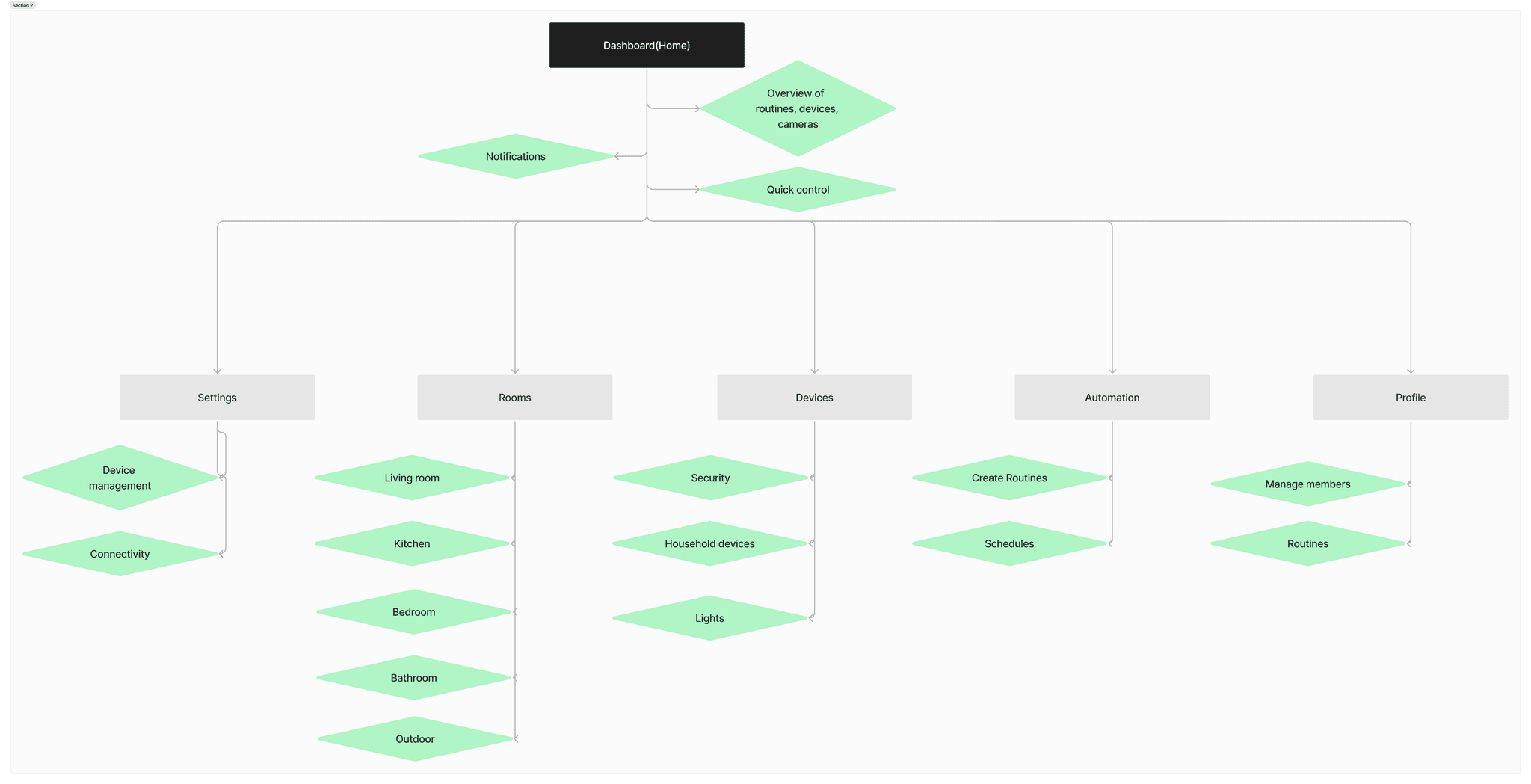
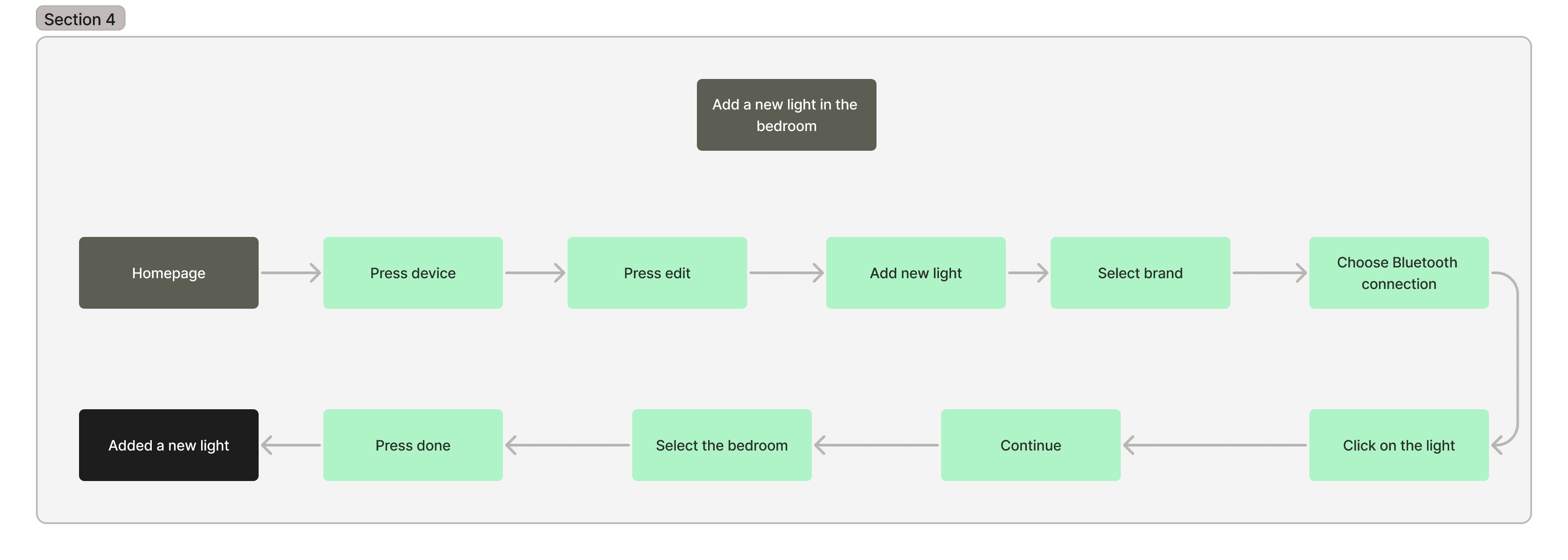
User Flows
Creating User Flows to help with minimising the flow of the users for their day to day activites
Wireframes
The face of the Second Closet.
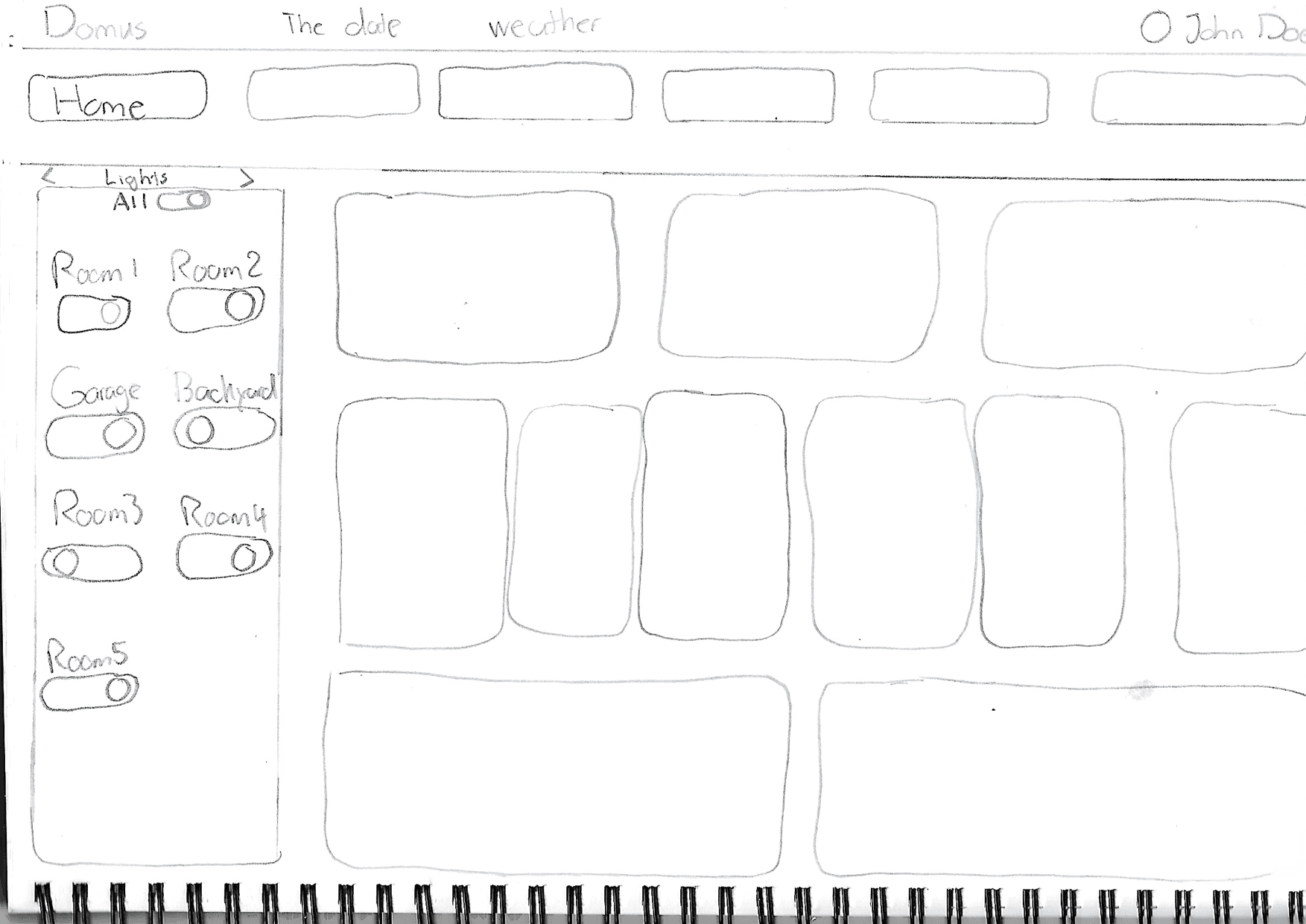
Ideation drawing of how I want the app to look like
Reabetswe represents the many Black lesbian women whose experiences with intimate partner violence remain hidden behind stigma, silence, and disbelief.
Usability Testing & Feedback
6 participants a mix of moderated and unmoderated.
I asked them to complete tasks such as:
Edit routines, check security cameras.
Findings:
Success: 100% task completion; users loved personalisation.
Pain Points: Navigation confusion for first-time users .
Iterations:
Added onboarding screens .
Simplified room-switching .
USer Testing Findings
100% Task Completion
Users loved personalisation
Navigation confusion for 1st time users
Iterations
before
after
The firs iteration did not have filters, making it difficult to see which rooms are available. Causing more cognitive load to scroll all the way down to one of the rooms.

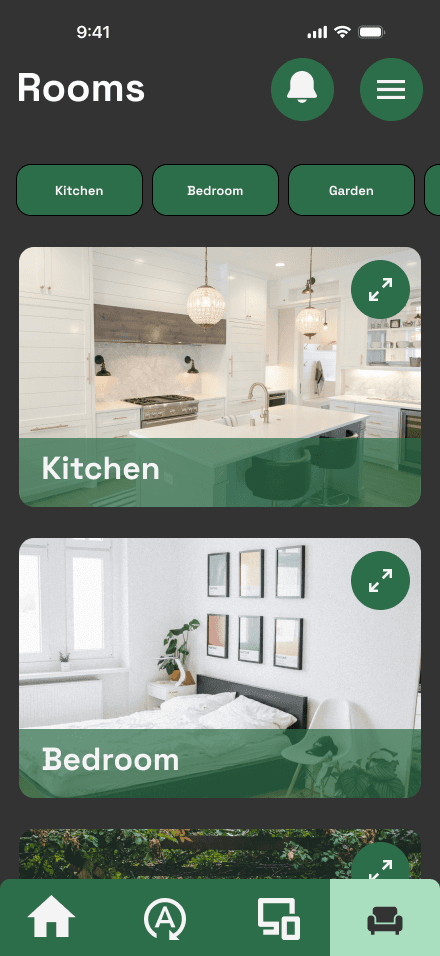
Put filters to help with navigating the rooms to make it easier for the users to see each room
Final Solution
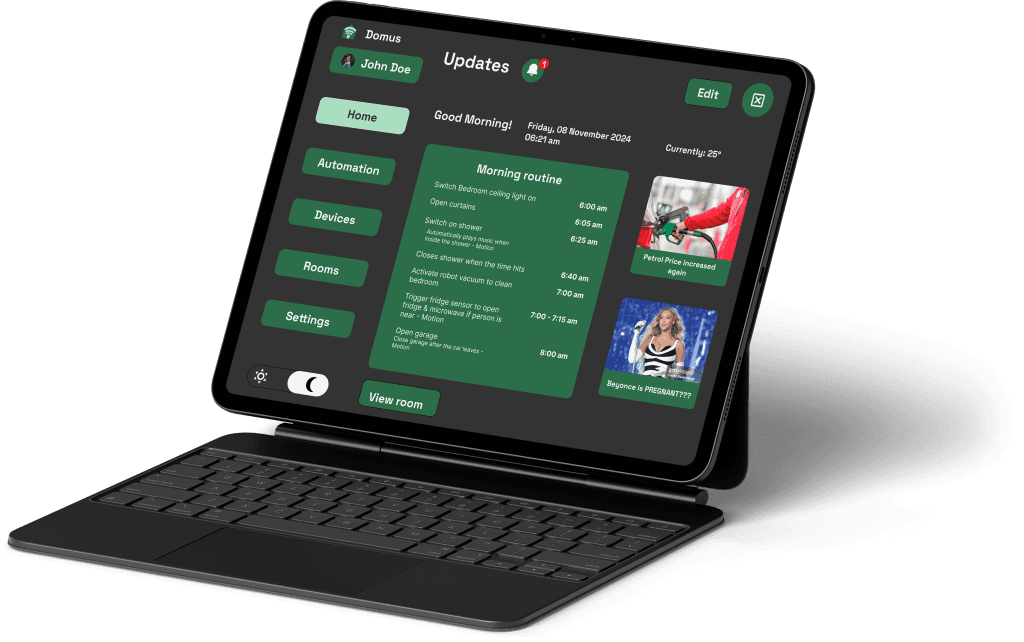
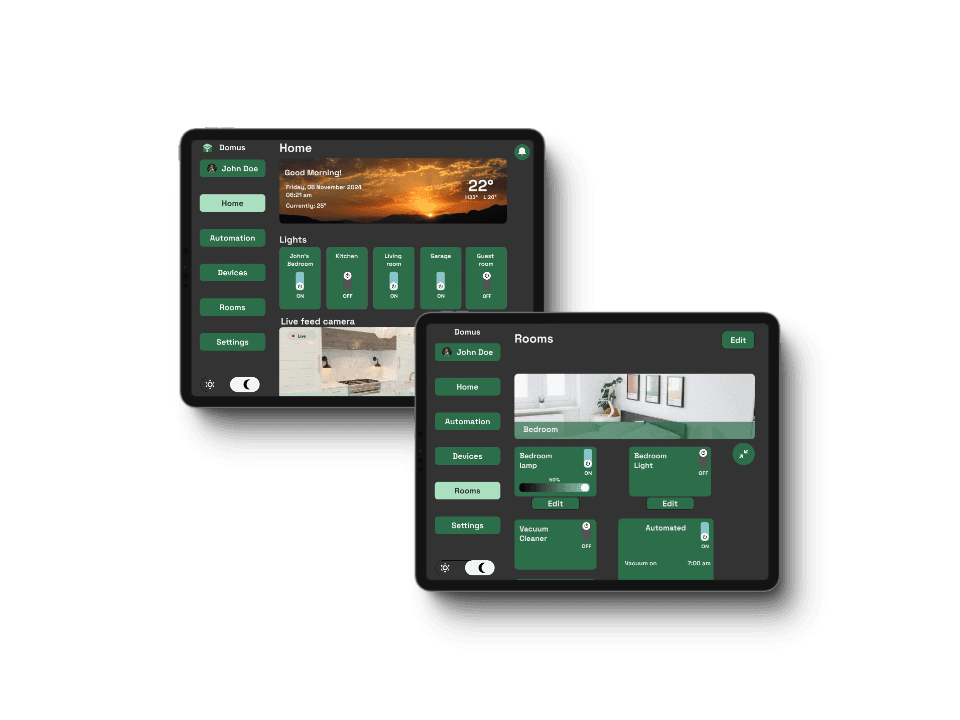
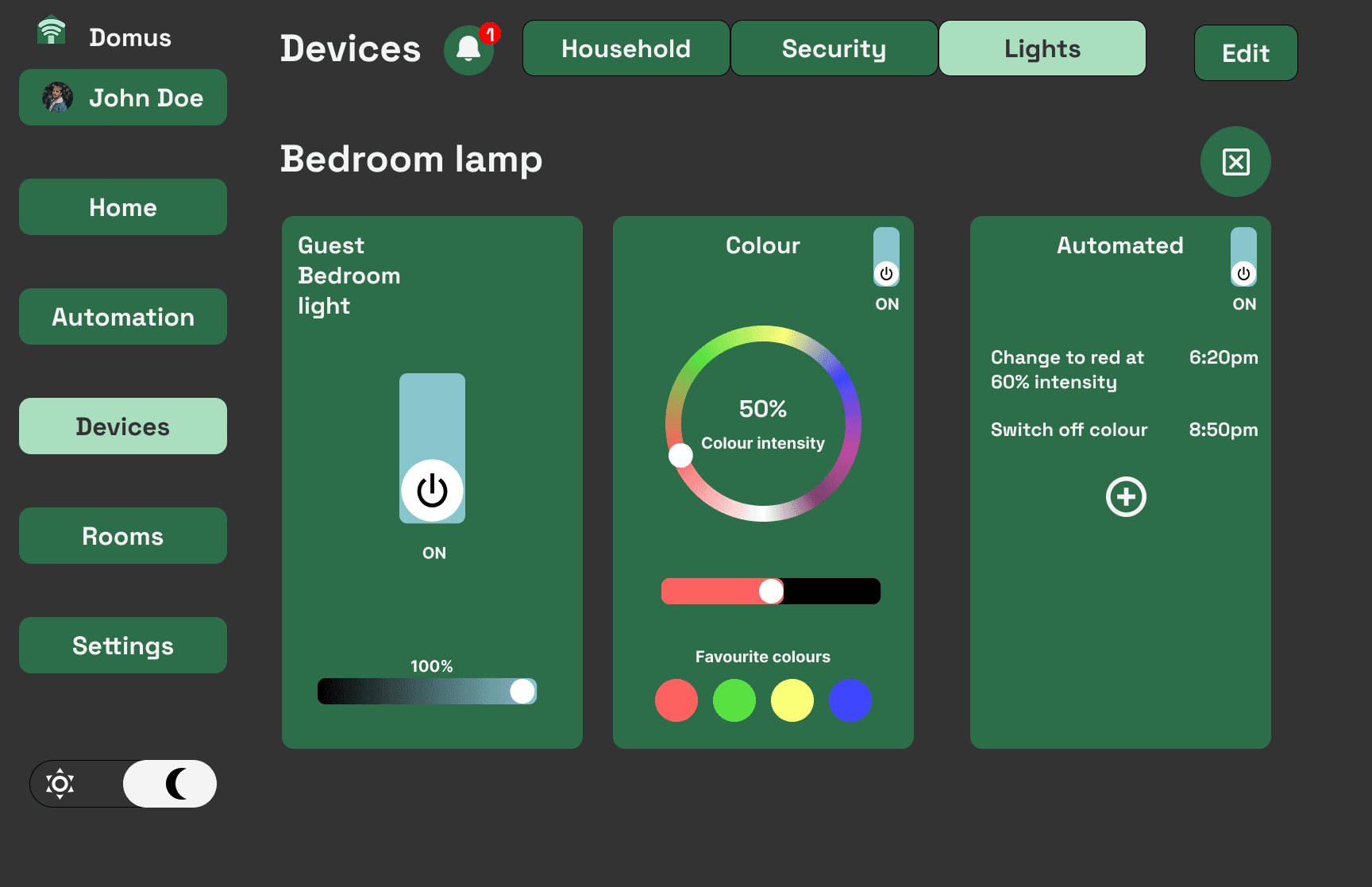
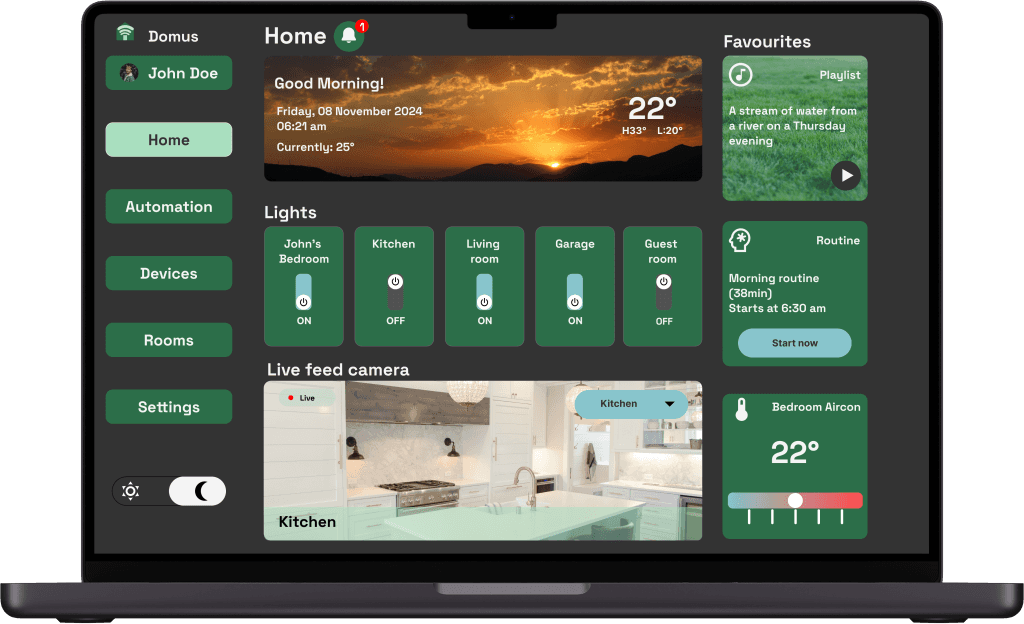
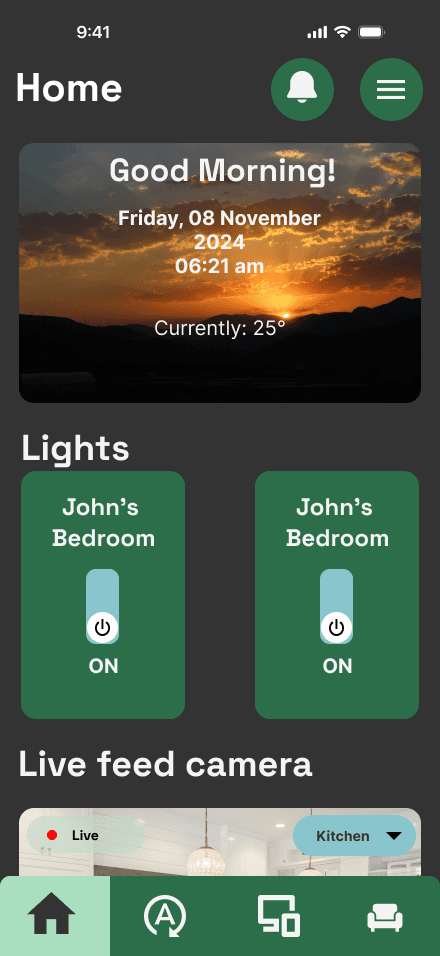
Domus is a centralised smart home application designed to transform fragmented, stressful morning routines into a seamless, automated, and personalised experience.
Instead of controlling devices individually, Domus coordinates the entire morning flow by aligning lighting, tasks, appliances, and reminders into one unified system.
This solution addressed the issues of the following:
- Manual Morning Tasks
- Cognitive Overlord and Decision Fatigue
- Forgetting Tasks
- Lack of Personalisation
- Stressful and Rushed Mornings
Impact & results
Reduced morning setup steps from 18 → 7
Centralised 4 separate apps into 1 dashboard
Improved task visibility & recall confidence
With further development, this system could integrate with IoT ecosystems such as Google Home or Apple HomeKit.
Reflection
learned the importance of designing beyond device automation into emotional orchestration.
I would conduct longitudinal testing to measure stress reduction.
Next iteration would include AI-based habit prediction.